

2026.05.25
Hosted by
Institute of Contemporary Art & Social Thoughts (ICAST), School of Intermedia Art
Speaker
Jinyi Chu
Moderator
Wang Pu
Introduction
Can East and West understand one another? Is such understanding even necessary? If it is possible, what makes it possible? And how should we think about cultural encounters when they are inseparable from geopolitical conflict? These questions trouble our world today no less than they troubled the world a century ago. Modernism turned to the East in search of a subversive power of self-negation, yet in its imaginaries of the other, it also reinscribed the very hierarchies that had long structured the relation between East and West.
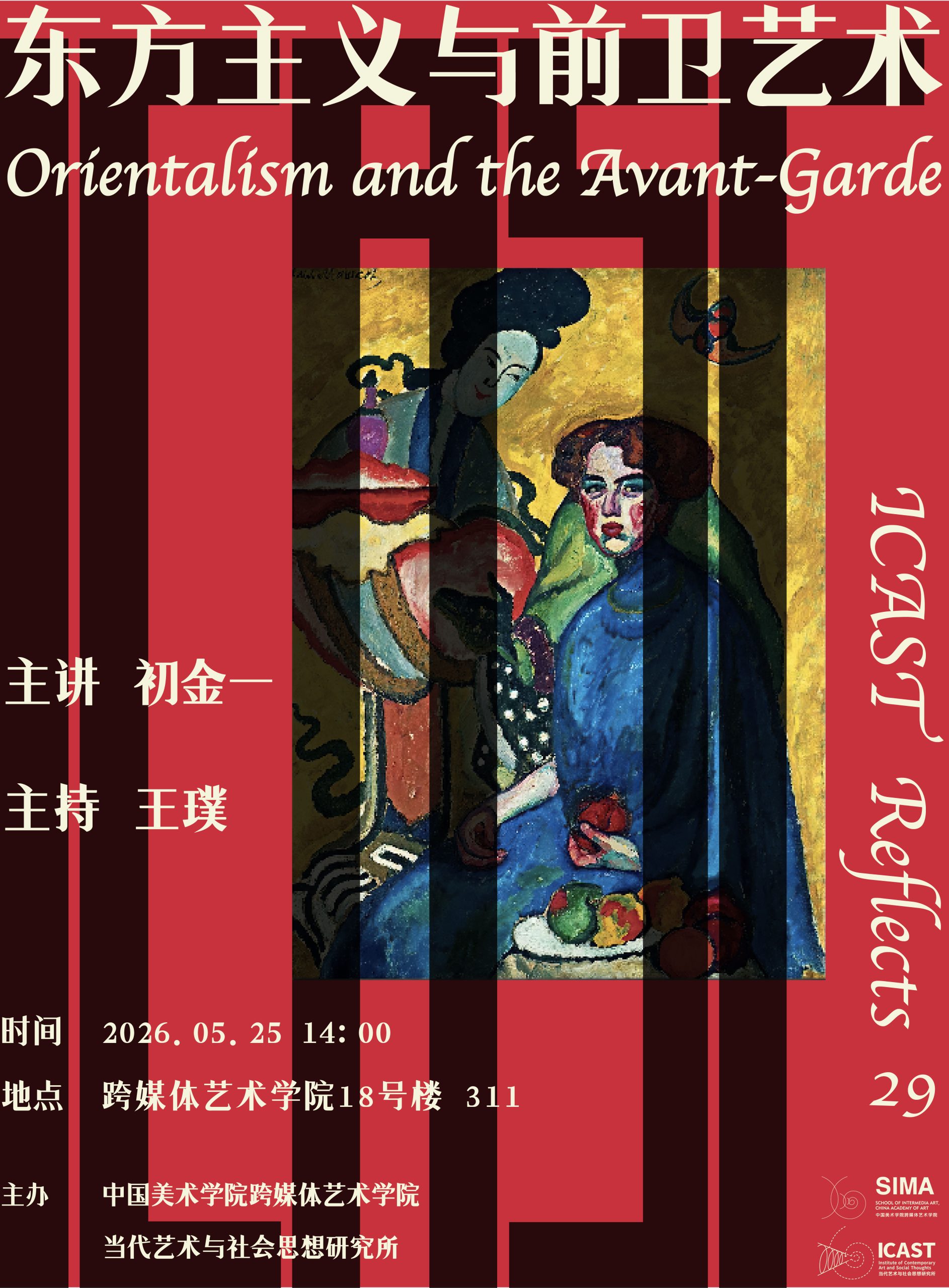
Drawing on Fin-de-siècle Russia and Chinese Aesthetics, this talk revisits the self-reflexive ways in which early twentieth-century Russian writers and artists conceived the avant-garde through the exotic. Through literary works, paintings, advertisements, official documents, and archival materials, the talk reconstructs a series of remarkable episodes in the history of Sino-Russian cultural exchange: from Tolstoy’s translation of the Dao De Jing and Innokenty Annensky’s encounter with a Buddhist monk at the Musée Guimet in Paris, to Russian anthologies of Chinese poetry by Balmont, Gumilev, and Markov, and finally to the Chinese fairy on Ilya Mashkov’s canvas. In doing so, the talk asks what happens when geopolitical tension and artistic fashion converge. It reconsiders Russia’s place within the genealogies of the global avant-garde, while also probing a broader question: whether the encounter with the other can become not merely an object of representation, but a way of unsettling the self.
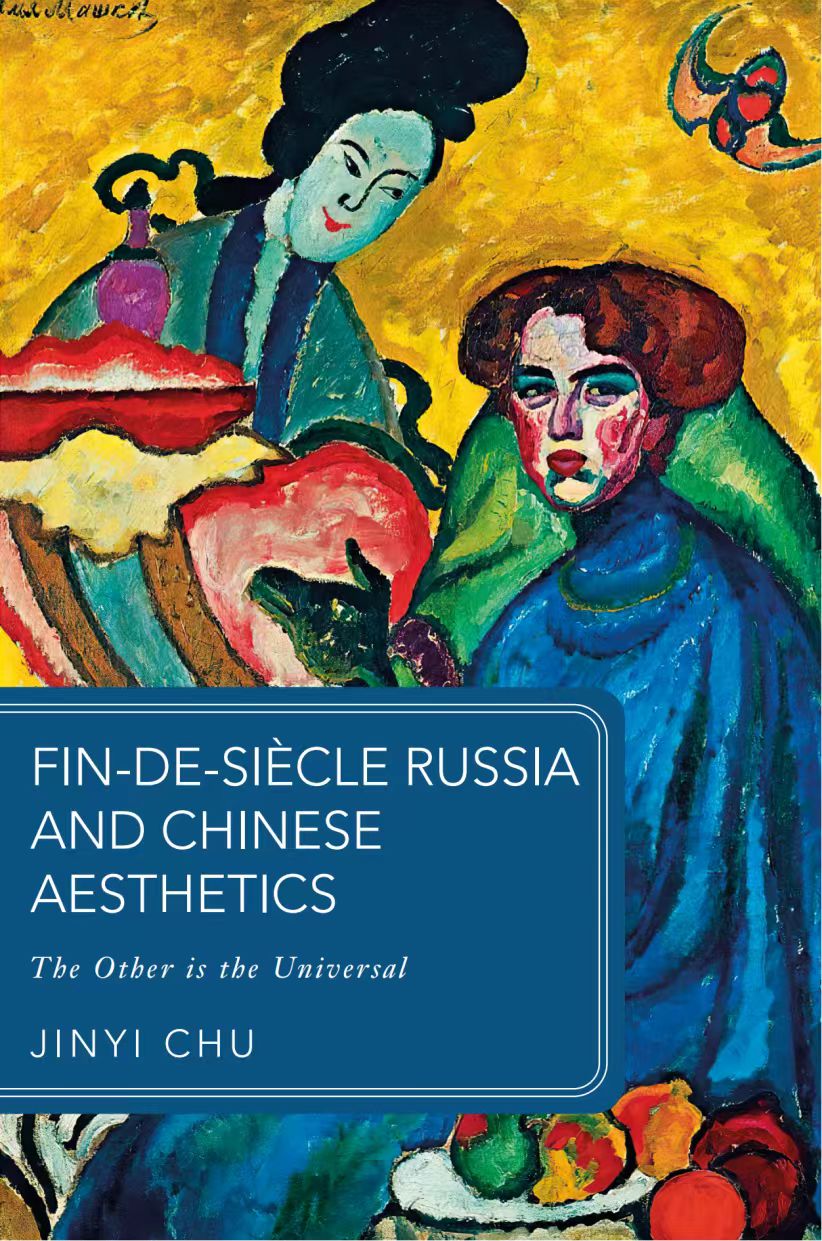
J. Chu, Fin-de-siècle Russia and Chinese Aesthetics: The Other is the Universal, Oxford University Press, 2024.
Speaker
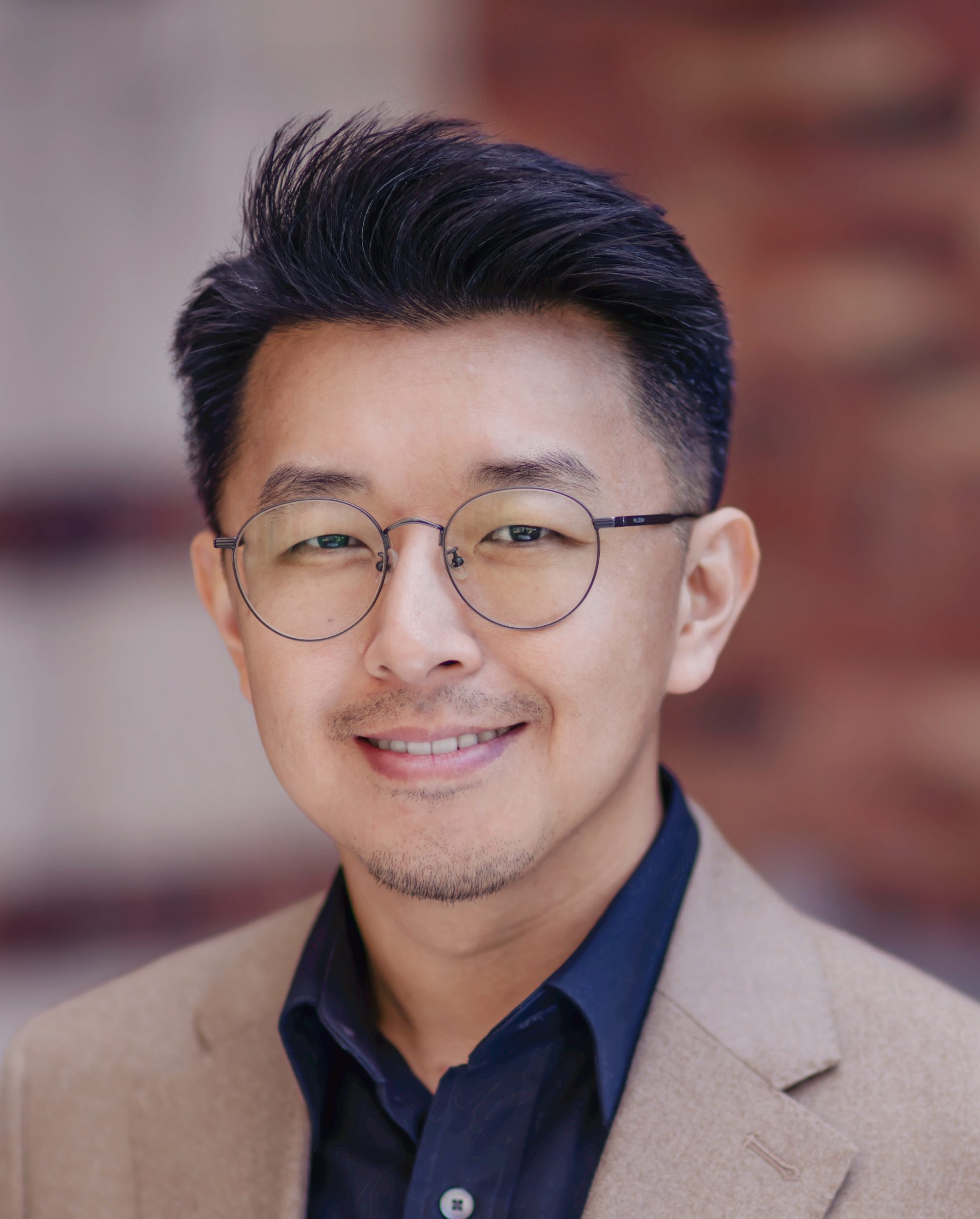
Jinyi Chu is Assistant Professor of Slavic Languages and Literatures at Yale University and a faculty fellow of the Council on European Studies and the Council on East Asian Studies at the MacMillan Center for International and Area Studies. He holds a Ph.D. from Stanford University. His research focuses on Russian modernism, Russian poetry, translation studies, literary theory, Sino-Russian cultural relations, and socialist culture. He is the author of Fin-de-siècle Russia and Chinese Aesthetics: The Other is the Universal (2024) and World-Feeling: Russian Literature and Geopolitics (2026), the translator of Dostoevsky: A Writer in His Time and Smugglers, Rebels, Pirates, among others, and has published more than twenty articles in Chinese, English, and Russian.
Moderator
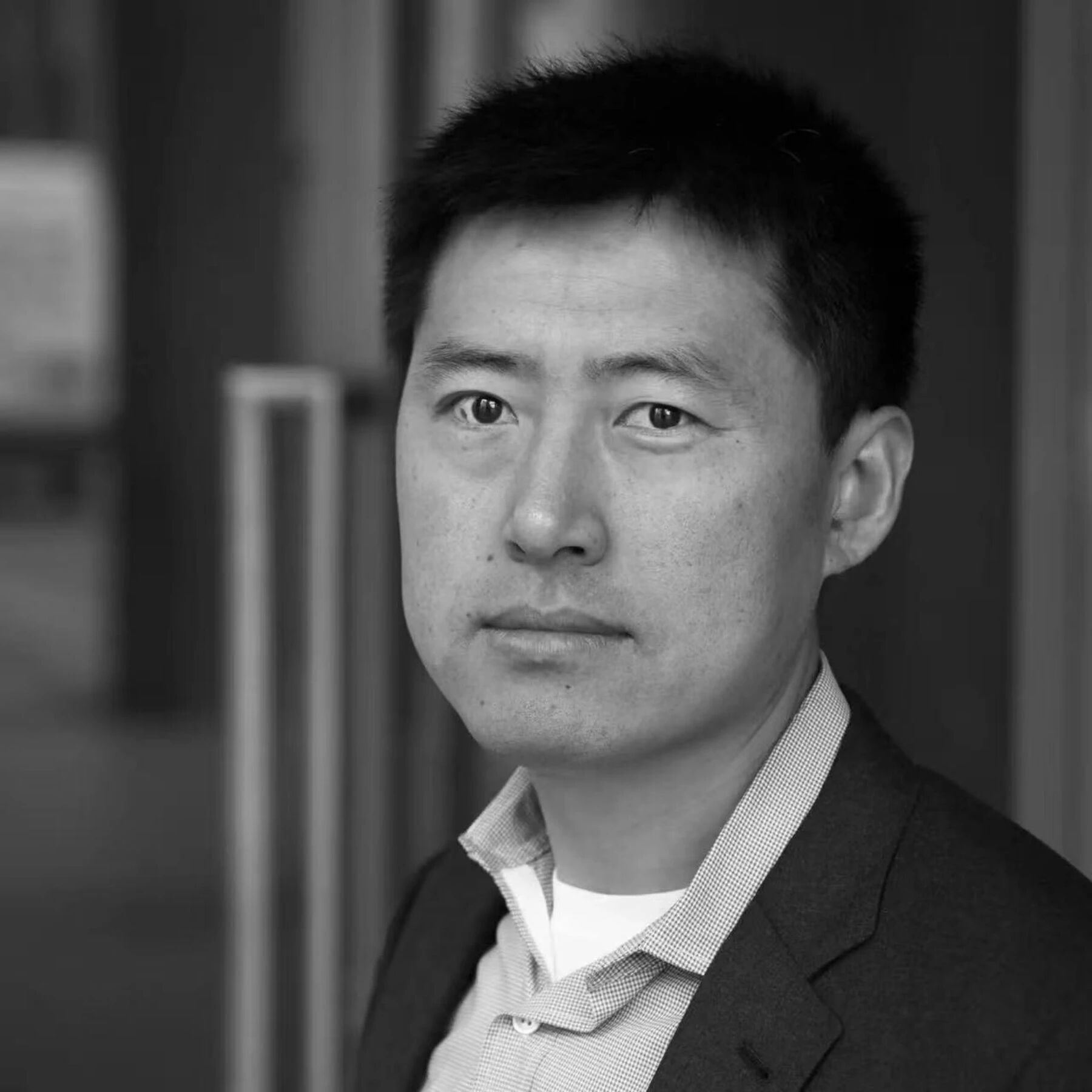
Wang Pu is a scholar, poet, educator, critic, and translator. Born in Shanxi in 1980, he studied at Peking University from 1999 to 2006, earning both a BA and an MA, and received his Ph.D. in Comparative Literature from New York University in 2012. He is currently a tenured associate professor and chair of the Department of German, Russian, and Asian Languages and Literatures at Brandeis University, as well as a researcher at the Institute of Contemporary Art and Social Thoughts(ICAST) at China Academy of Art. He was previously a fellow of the Nantes Institute for Advanced Study in France and a visiting scholar at the Institute of Humanities and Social Sciences at Peking University.
His academic publications include The Translatability of Revolution: Guo Moruo and Twentieth-Century Chinese Culture (2018) and The Map Is Moving: The Origins and Development of Modern Poetry (2025). He has also published a series of articles on modern poetry, the international left, critical theory, and the “Global Sixties.” His poetry has been translated into German, English, French, and Dutch. He has long been involved in the Chinese translation project of Walter Benjamin’s The Arcades Project. His translation of Walter Benjamin: A Critical Life was published in 2022 and received several honors.
Hosted by
Institute of Contemporary Art & Social Thoughts (ICAST), School of Intermedia Art
Speaker
Jinyi Chu
Moderator
Wang Pu
Introduction
Can East and West understand one another? Is such understanding even necessary? If it is possible, what makes it possible? And how should we think about cultural encounters when they are inseparable from geopolitical conflict? These questions trouble our world today no less than they troubled the world a century ago. Modernism turned to the East in search of a subversive power of self-negation, yet in its imaginaries of the other, it also reinscribed the very hierarchies that had long structured the relation between East and West.
Drawing on Fin-de-siècle Russia and Chinese Aesthetics, this talk revisits the self-reflexive ways in which early twentieth-century Russian writers and artists conceived the avant-garde through the exotic. Through literary works, paintings, advertisements, official documents, and archival materials, the talk reconstructs a series of remarkable episodes in the history of Sino-Russian cultural exchange: from Tolstoy’s translation of the Dao De Jing and Innokenty Annensky’s encounter with a Buddhist monk at the Musée Guimet in Paris, to Russian anthologies of Chinese poetry by Balmont, Gumilev, and Markov, and finally to the Chinese fairy on Ilya Mashkov’s canvas. In doing so, the talk asks what happens when geopolitical tension and artistic fashion converge. It reconsiders Russia’s place within the genealogies of the global avant-garde, while also probing a broader question: whether the encounter with the other can become not merely an object of representation, but a way of unsettling the self.
J. Chu, Fin-de-siècle Russia and Chinese Aesthetics: The Other is the Universal, Oxford University Press, 2024.
Speaker
Jinyi Chu is Assistant Professor of Slavic Languages and Literatures at Yale University and a faculty fellow of the Council on European Studies and the Council on East Asian Studies at the MacMillan Center for International and Area Studies. He holds a Ph.D. from Stanford University. His research focuses on Russian modernism, Russian poetry, translation studies, literary theory, Sino-Russian cultural relations, and socialist culture. He is the author of Fin-de-siècle Russia and Chinese Aesthetics: The Other is the Universal (2024) and World-Feeling: Russian Literature and Geopolitics (2026), the translator of Dostoevsky: A Writer in His Time and Smugglers, Rebels, Pirates, among others, and has published more than twenty articles in Chinese, English, and Russian.
Moderator
Wang Pu is a scholar, poet, educator, critic, and translator. Born in Shanxi in 1980, he studied at Peking University from 1999 to 2006, earning both a BA and an MA, and received his Ph.D. in Comparative Literature from New York University in 2012. He is currently a tenured associate professor and chair of the Department of German, Russian, and Asian Languages and Literatures at Brandeis University, as well as a researcher at the Institute of Contemporary Art and Social Thoughts(ICAST) at China Academy of Art. He was previously a fellow of the Nantes Institute for Advanced Study in France and a visiting scholar at the Institute of Humanities and Social Sciences at Peking University.
His academic publications include The Translatability of Revolution: Guo Moruo and Twentieth-Century Chinese Culture (2018) and The Map Is Moving: The Origins and Development of Modern Poetry (2025). He has also published a series of articles on modern poetry, the international left, critical theory, and the “Global Sixties.” His poetry has been translated into German, English, French, and Dutch. He has long been involved in the Chinese translation project of Walter Benjamin’s The Arcades Project. His translation of Walter Benjamin: A Critical Life was published in 2022 and received several honors.