

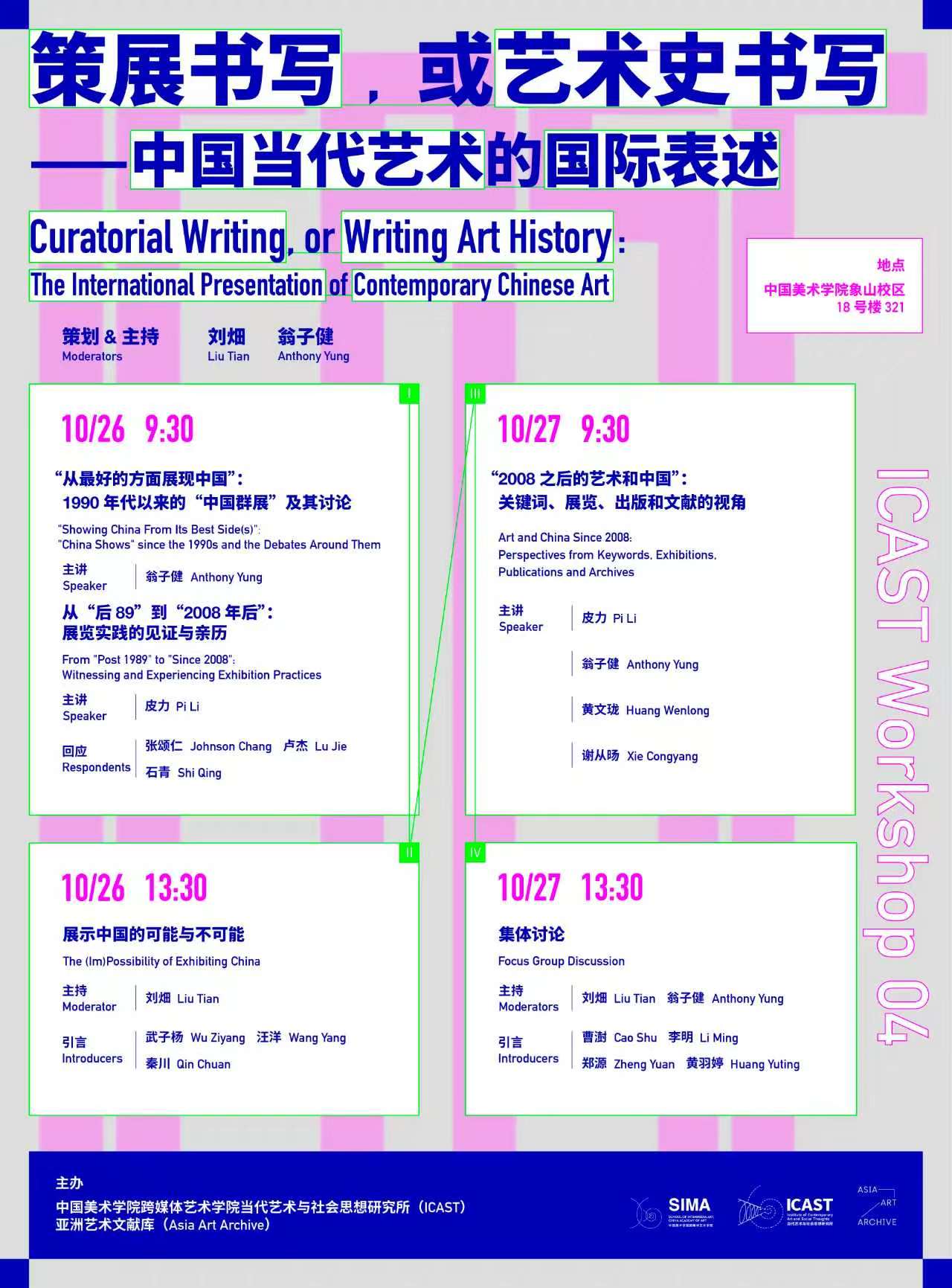
2026.10.26-10.27 9:30—11:30, 13:30—16:30
Hosted by
Institute of Contemporary Art & Social Thoughts (ICAST), School of Intermedia Art, China Academy of Art
Asia Art Archive
Organizer&Moderator
LIU Tian
Anthony YUNG
Date/Venue
2026-10-26, 10-27(Mon., Tue.)
9:30—11:30, 13:30—16:30
Room 321, Building 18, School of Intermedia Art,
Xiangshan Campus, China Academy of Art
Introduction
The central question this workshop, "Curatorial Writing, or Writing Art History: The International Presentation of Contemporary Chinese Art," seeks to address is: In today's international context, how can we (self-)represent and present "Chinese contemporary art," or "contemporary art in China"?
Here, "Curatorial Writing" and "Writing Art History" emerge as two distinct approaches to "writing." The former is more radical and interventionist, aspiring to write history in a pioneering and generative way, and to actively drive its development. The latter is more measured and observational, assuming the position of the historian and seeking to preserve and document history faithfully and at close range.
In practice, however, both approaches face considerable difficulties in achieving their respective aims. They frequently intersect and interact in actual practice, while also confronting conceptual challenges from multiple directions, including:
- The problem of representational frameworks that take "nation" and "region" as boundaries, and use specific "years" or historical periods as points of departure and closure;
- The evaluation, judgment, selection, naming, and categorization of artists and artworks;
- The tensions and positions (whether critical or disengaged) in relation to phenomena of "popularity";
- The tension between the observation of art and the observation of social history, particularly the questions of interpretability and rupture;
- More broadly, the fundamental difficulty of how artists and artworks are selected, framed, and correlated through the two modes of Determinism and Reductionism.
Nevertheless, this remains an ongoing and unavoidable field of practice, one marked by genuine aspirations, anxieties, and difficulties. From the 1990s to the early years of the new millennium, this field of practice experienced a period of remarkable prominence, to the extent that the "Chinese group exhibition" almost became an established exhibition format. Yet, with changes in the global political and economic order, the onset of deglobalization, and the shifting geography of international art-world hotspots, it gradually fell into a period of relative stagnation.
Taking place over two days, the workshop will comprise lectures, presentations, and discussions. It will begin with the most recent major exhibition series devoted to Chinese contemporary art: "Stay Connected: Art and China Since 2008," presented by Tai Kwun Contemporary in 2025–2026, together with the bilingual publication of the same title produced in collaboration with Asia Art Archive (AAA). From this starting point, it will trace back to a number of major exhibitions led or experienced firsthand by the workshop's invited speakers, including, but not limited to: "From Revolution to Globalisation," one of the inaugural exhibitions at M+ Museum in 2021; "Art and China After 1989: Theater of the World," held at the Solomon R. Guggenheim Museum in New York in 2017; "Alors, la Chine?", held at the Centre Pompidou in Paris in 2003; and, further back, "China's New Art, Post-1989," one of the starting points for the international circulation of Chinese contemporary art in 1993.
Through the lenses of exhibitions, publications, archival materials, and keywords, the workshop seeks to construct a historical framework for discussion. It will examine how past artistic practices have been organized and narrated, the mechanisms through which these narratives have taken shape and the forces of omission and concealment that have accompanied them, the possibilities and impossibilities of "exhibiting China," and the conditions under which new narratives might emerge.
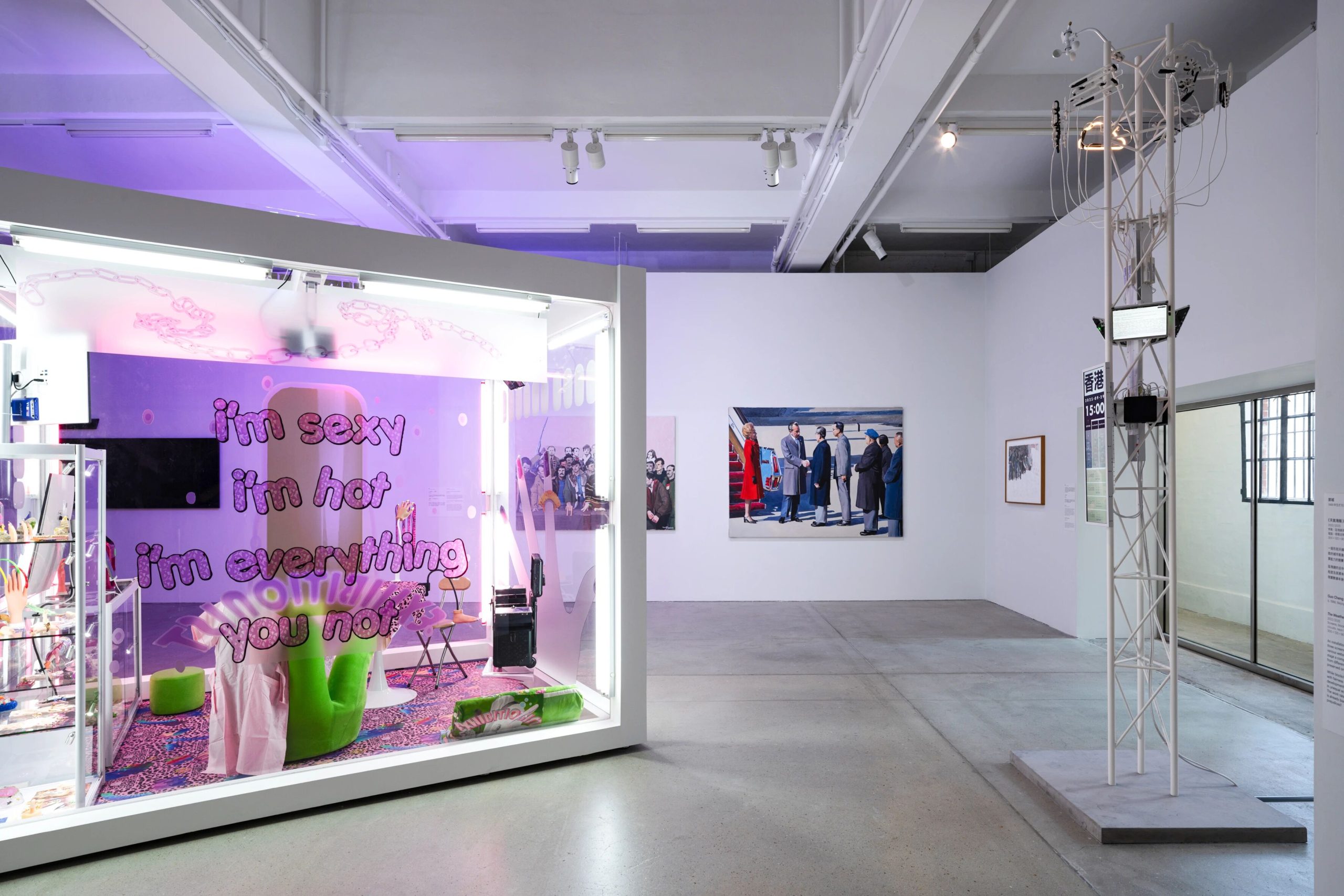
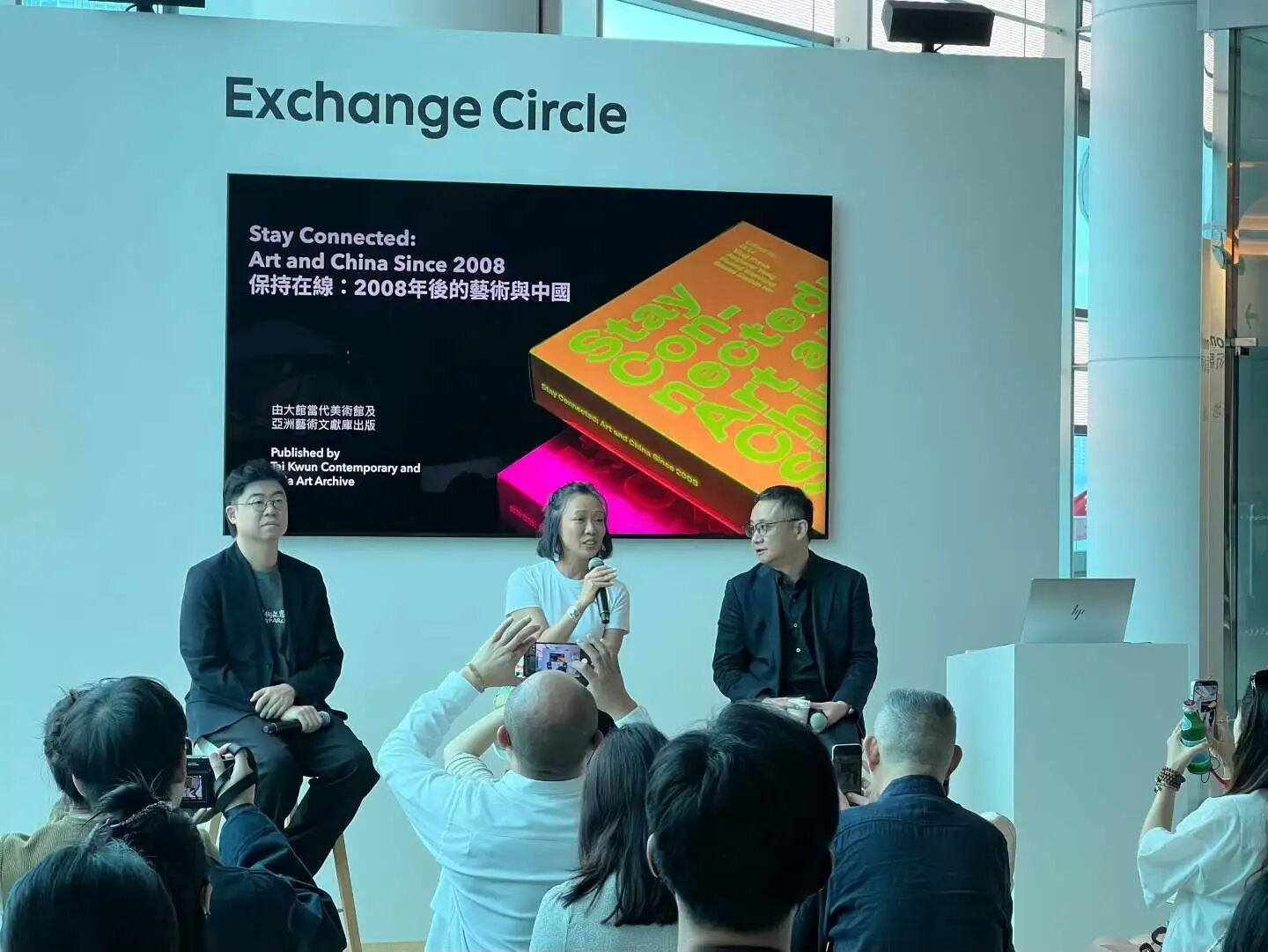
“Stay Connected: Navigating the Cloud” and “Stay Connected: Supplying the Globe” (Stay Connected: Art and China Since 2008), Tai Kwun Contemporary, 2025–2026. Exhibition views and bilingual publication, developed in collaboration with Asia Art Archive (AAA).
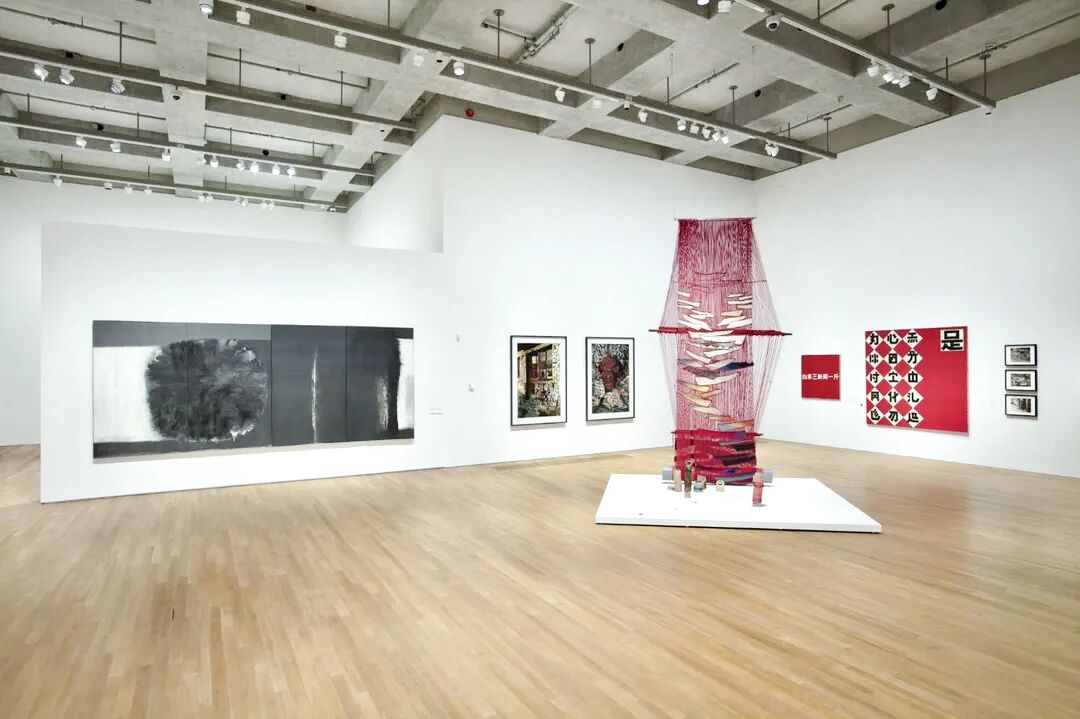
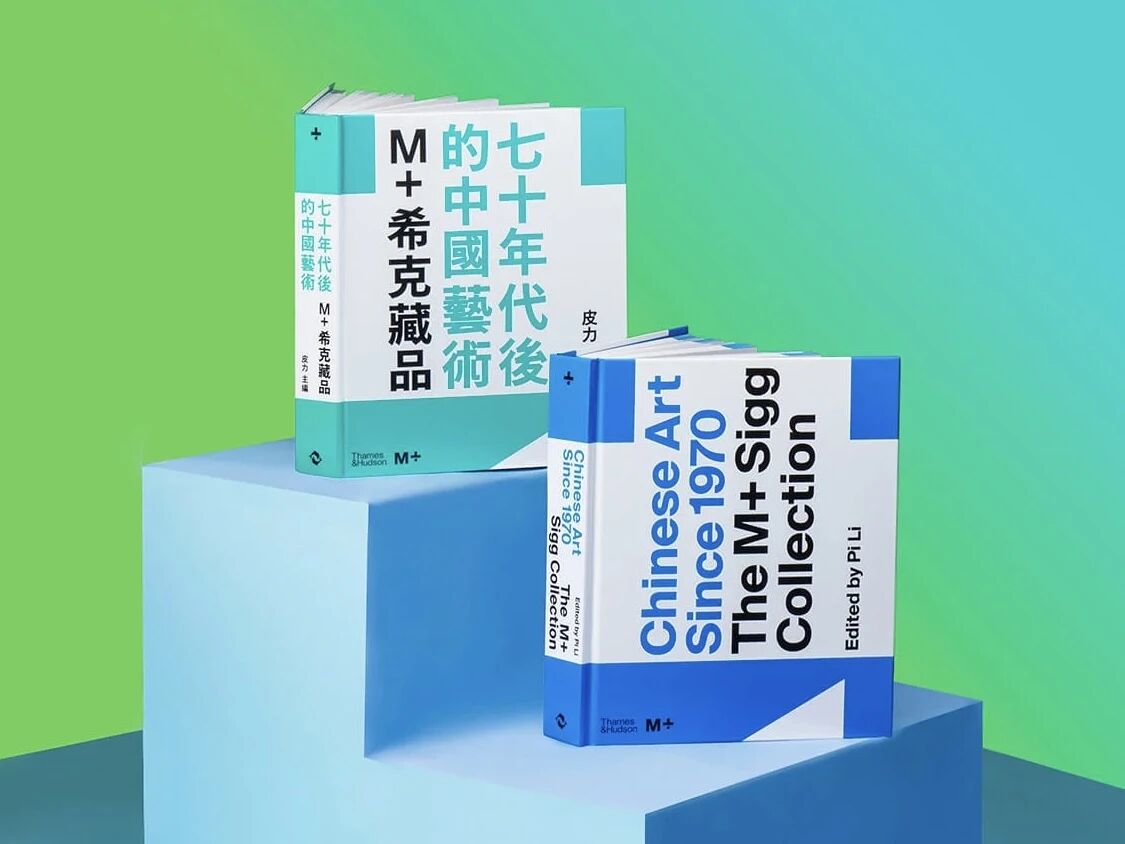
"M+ Sigg Collection: From Revolution to Globalisation," M+, 2021–2023. Exhibition views and bilingual publication: Chinese Art Since 1970: The M+ Sigg Collection.
What "China" means is often determined by how it is represented. By critically probing and seeking to break through this constellation of issues, we hope to ask: Within this genealogy of practices and questions, what experiences should be carried forward into the present? Is there a point of departure for thought or a method of action that might orient us towards the future? At this moment of uncertainty and difficulty, how might Chinese art make sense of and articulate itself? How might it present itself and establish connections within the international context?
Initiated by the Institute of Contemporary Art and Social Thought (ICAST) at the School of Intermedia Art, China Academy of Art, and co-organised with Asia Art Archive (AAA), this workshop is the latest edition of ICAST's "China as Sites and Methods" workshop series. It also continues the inquiry into this subject, building upon the 2023 symposium “Chinese Contemporary Art in the Process of (De)Globalisation.”
The "China as Sites and Methods" workshop series seeks to engage with practices grounded in the richness of China's lived realities, social conditions, and historical contexts. Through its pedagogical component, the series also aims to activate a new generation of students and faculty at art academies, encouraging them to approach "China" as the actual site in which artistic creation, curating, design, and other forms of practice take shape. It seeks to foster narrative and systems of understanding that emerge from their own situated perspectives, cultivate new modes of perception, and generate new methodologies.
10.26 9:30【Thematic Lectures】
《"Showing China From Its Best Side(s)": "China Shows" Since the 1990s and the Debates Around Them》
Presenter: Anthony YUNG
《From "Post 1989" to "Since 2008": Witnessing and Experiencing Exhibition Practices》
Presenter: PI Li
Respondent: Johnson CHANG, LU Jie, SHI Qing
10.26 13:30【Thematic Discussions】
《The (Im)Possibility of Exhibiting China》
Moderator: LIU Tian
Introducer: WU Ziyang, WANG Yang, QIN Chuan
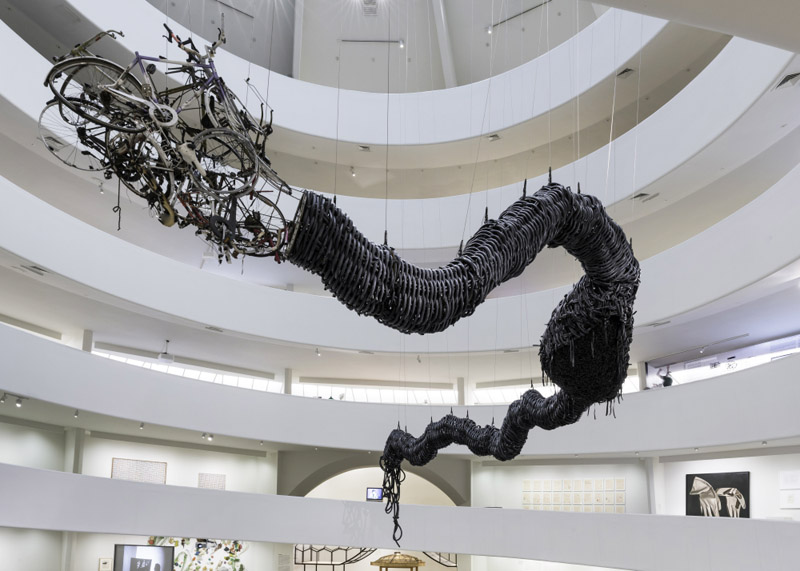
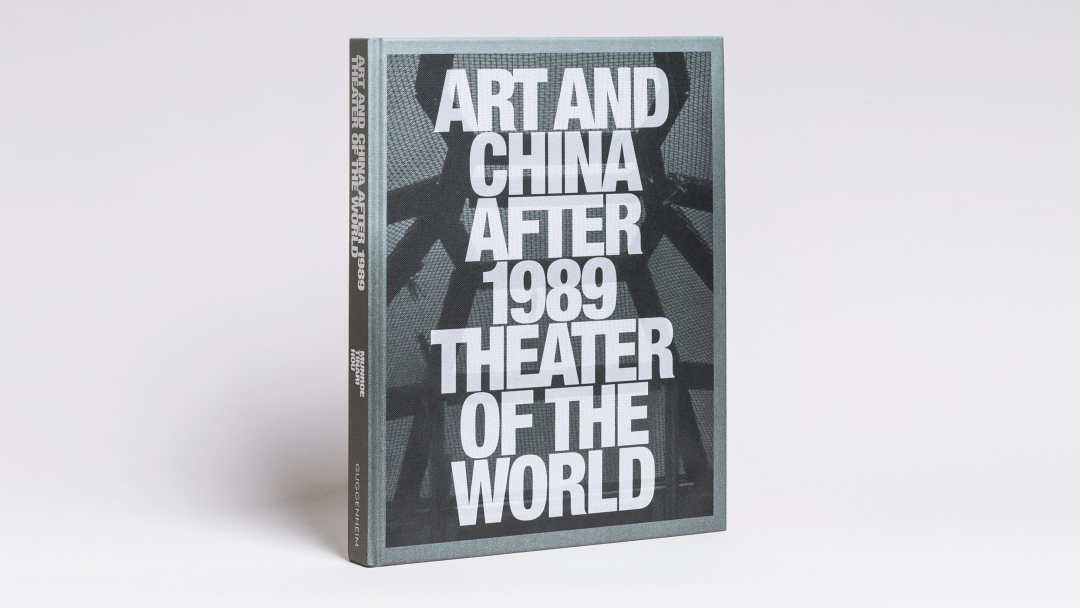
"Art and China after 1989: Theater of the World," Solomon R. Guggenheim Museum, 2017–2018. Exhibition views and publication. The exhibition documentation section was developed in collaboration with Asia Art Archive (AAA).
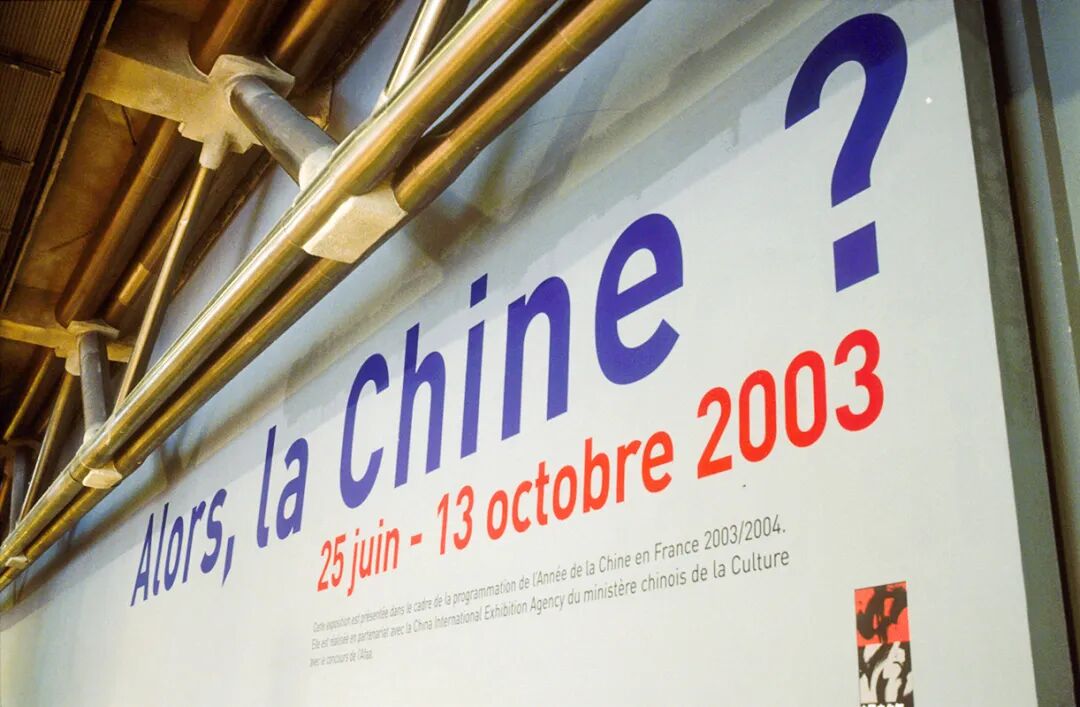
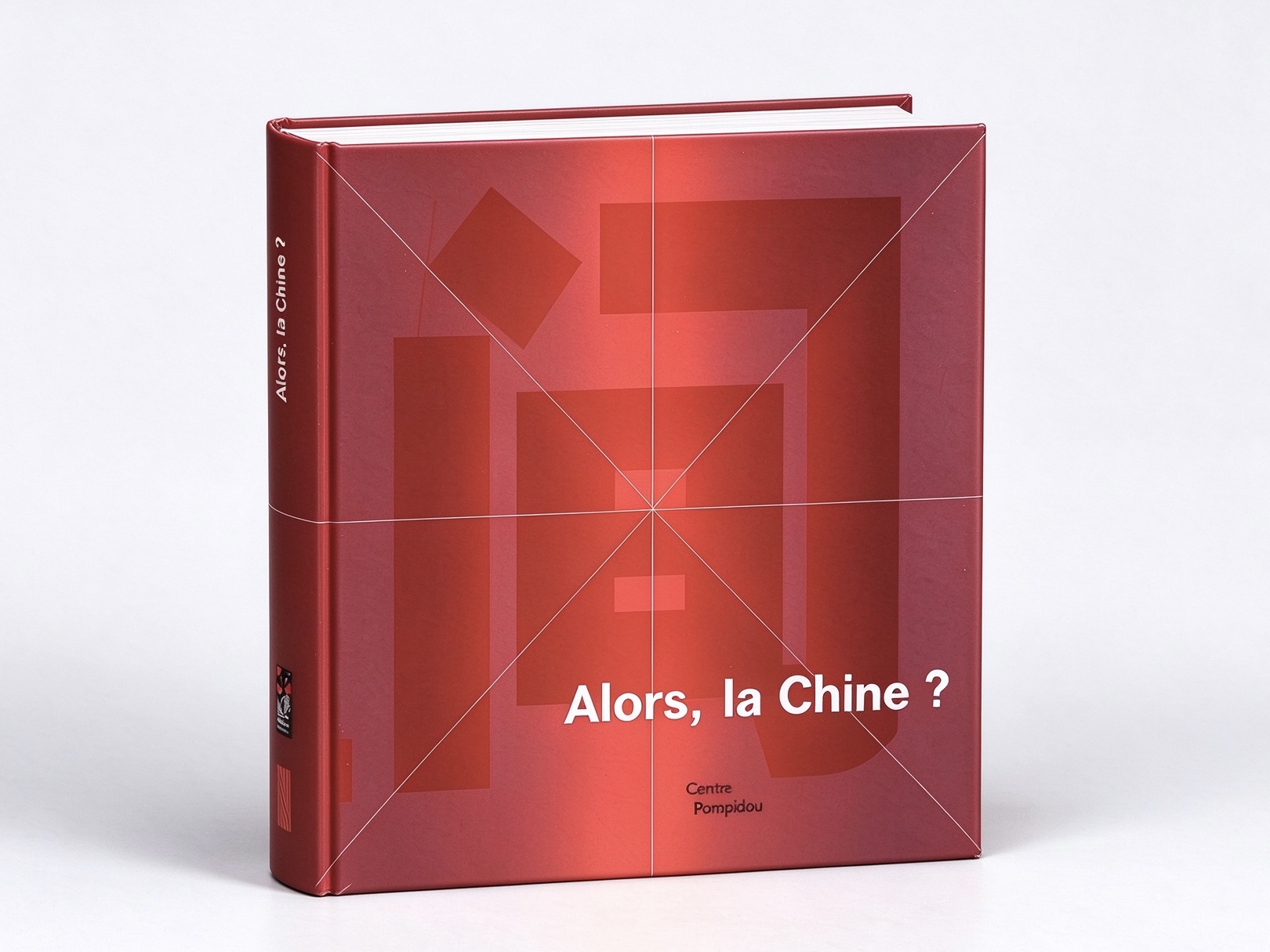
"Alors, la Chine?" , Centre Pompidou, 2003. Exhibition views and publication.
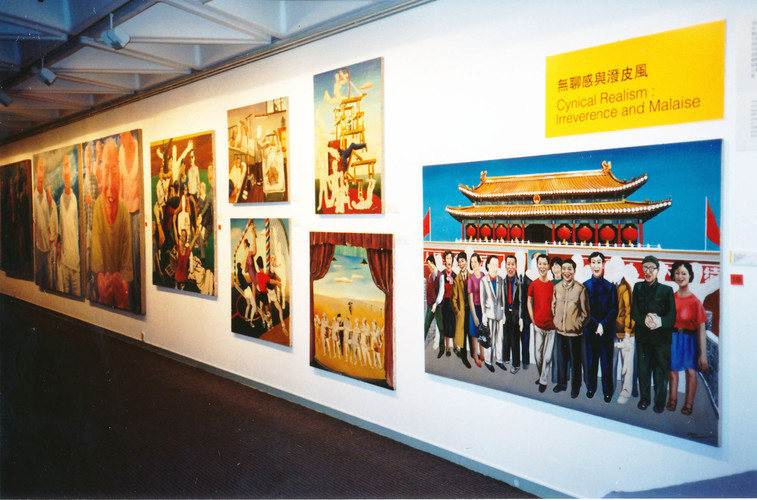
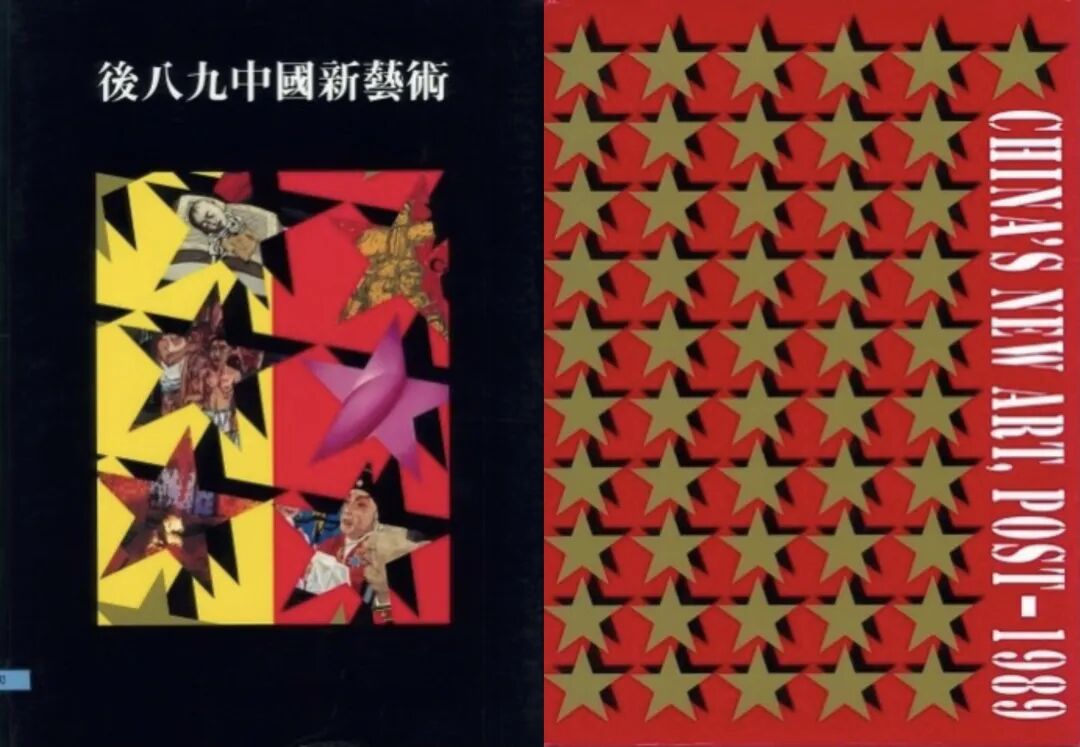
"China's New Art, Post-1989," Hong Kong City Hall and Pao Galleries, Hong Kong Arts Centre; subsequently toured to the Museum of Contemporary Art, Sydney, Australia; Vancouver Art Gallery, Canada; University Art Museum, Indiana University–Purdue University Fort Wayne; Fort Wayne Museum of Art; Salina Art Center; Chicago Cultural Center; and San Jose Museum of Art, United States, 1993–1997. Exhibition views and publication: China's New Art, Post-1989.
10.27 9:30【Thematic Presentations】
《Art and China After 2008: Perspectives From Keywords, Exhibitions, Publications and Archives》
Presenter: Anthony YUNG, PI Li, HUANG Wenlong, XIE Congyang
10.27 13:30【Collective Discussion】
Moderator: LIU Tian, Anthony YUNG
Introducer: CAO Shu, ZHENG Yuan, HUANG Yuting
Discussant: Guest Speakers Present + All ICAST Faculty and Students
Speaker Biographies

PI Li is a curator, scholar of Chinese art history, and art educator. He is currently the Director of Róng Museum of Art, Guest Professor and PhD Supervisor at the China Academy of Art. He previously served as Head of Art at Tai Kwun Contemporary, Hong Kong (2023–2026); Sigg Senior Curator and Head of Curatorial Affairs at M+ (2012–2023); and Deputy Executive Director of the Department of Art Administration at the Central Academy of Fine Arts (CAFA) (2001–2012).
His curatorial projects include Stay Connected: Art and China Since 2008 and Right Is Wrong: M+ Sigg Collection: Four Decades of Chinese Contemporary Art, among others.
His publications include From Action to Concept, Farewell to Moralism, M+ Sigg Collection: Four Decades of Chinese Art, Madame Song: A Life in Art and Fashion, and Stay Connected: Art and China Since 2008. His translations include Why Museums Matter.
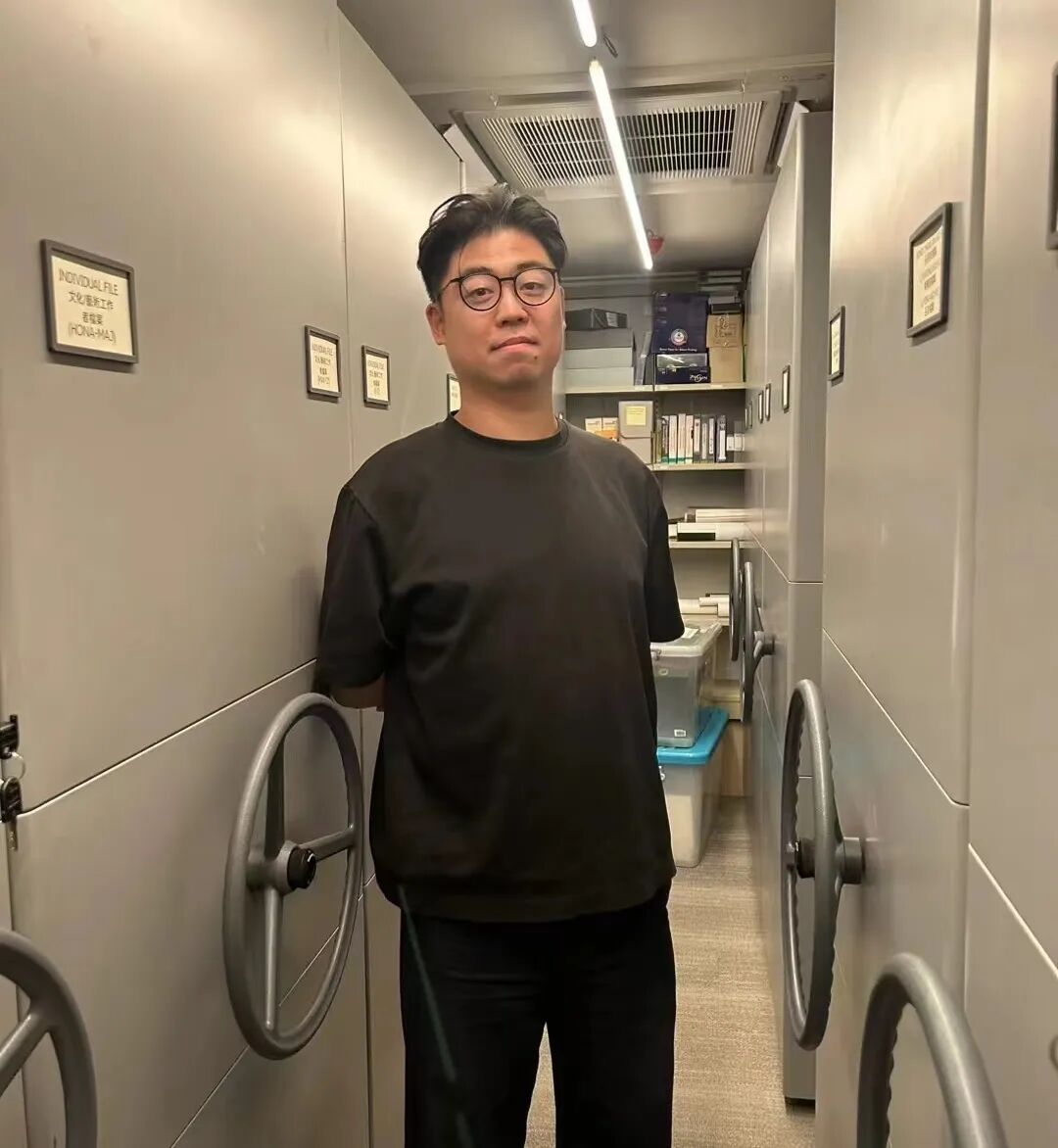
Anthony YUNG is Head of Research and Archives at Asia Art Archive (AAA), where he specialises in research and archival work on contemporary art in Asia.
His recent curatorial projects include Learning What Can't Be Taught (2020, Asia Art Archive, Hong Kong); Don't Kill Me, I'm Still in Love! A Tribute to Huang Xiaopeng (2021, Guangdong Times Museum, Guangzhou); Another Day in Hong Kong (2024, Asia Art Archive, Hong Kong); Sushi Grass in Paradise & Greener Rice on the Other Side (2024, WMA Space, Hong Kong); and The Door Is Open, The Window Is Locked (2024, Imagokinetics, Hangzhou), among others.
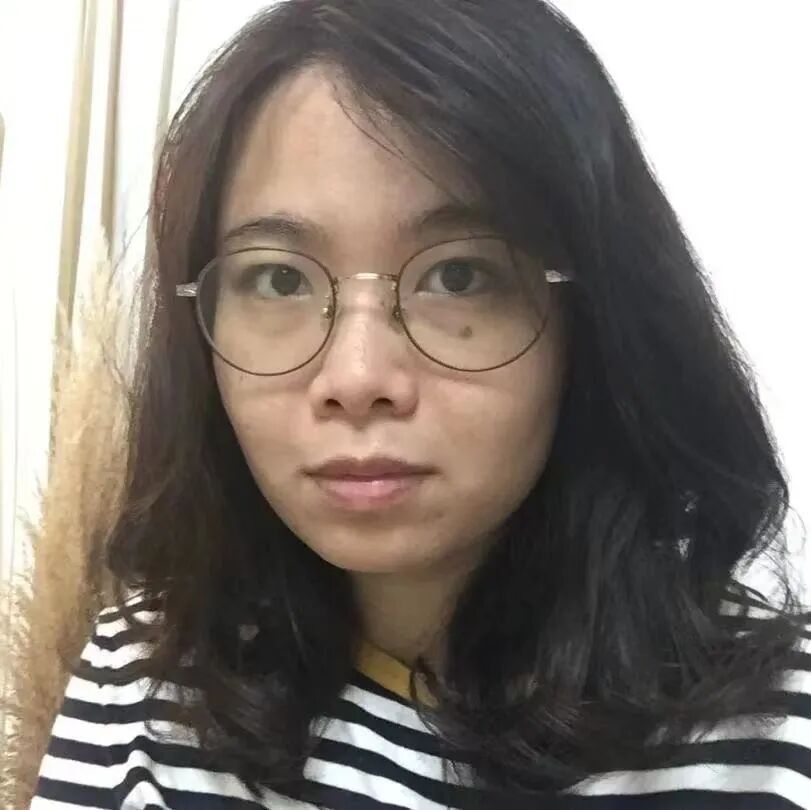
XIE Congyang is a Researcher at Asia Art Archive (AAA). Since joining AAA in 2015, she has been involved in multiple archival projects related to contemporary Chinese art. She has led projects including Documentation and Research on Contemporary Art in Northwest China, the Tao Yongbai Archive, the Wang Gongyi Archive, and the From the Country of the Center Exhibition Archive.
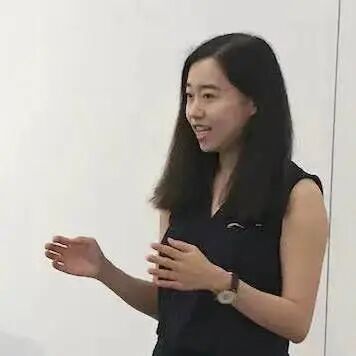
HUANG Wenlong is an Associate Researcher at Asia Art Archive (AAA). Previously, Huang worked as a curator at Macalline Center of Art (MACA), and served as Deputy Head of the Research and Curatorial Department at Inside-Out Art Museum, Beijing.
Invited Discussant Biography

Chang Tsong-zung is a curator, Guest Professor at the School of Intermedia Art, China Academy of Art, and Director of Hanart TZ Gallery, Hong Kong.
In recent years, his central concern has been how Chinese contemporary art can contribute to the world. Since the 1980s, his curatorial practice has played an important role in advancing the international development of Chinese art. His major curatorial projects include the co-curation of Farewell to Post-Colonialism, the Third Guangzhou Triennial (2008); the Ninth Shanghai Biennale (2012); and Post Pop: East Meets West at Saatchi Gallery, London (2014–2015).
His recent initiatives include Jia Li Hall, a comprehensive research and practice project on Chinese ritual culture; West Heavens, a platform for artistic and intellectual exchange between India and China; Yaji Garden, a contemporary exploration of Chinese traditions of display and connoisseurship, developed out of the Yellow Box research project; and the Inter-Asia Biennale Forums, an intellectual initiative launched through the Inter-Asia School and presented at the Gwangju Biennale, Shanghai Biennale, Taipei Biennial, and Kochi-Muziris Biennale.
Chang is a co-founder of ICAST and has long been involved in its curatorial projects, forums, and teaching activities. He has made significant contributions to the development of the conceptual framework of the "3 Parallel Artworlds" and has played an important role in the establishment of the Inter-Asia School, as well as in supporting and advancing the various curatorial and forum projects initiated by the School. Through his engagement with ICAST, he has helped broaden its intellectual horizons across historical periods and between Chinese and Western contexts.

SHI Qing is an artist currently based in Shanghai. He advocates for an approach to artistic practice grounded in historical perspectives and fieldwork, while developing a form of subject-centered writing that is unconstrained by medium or form. His recent interests include pathways of modernity, ecological media, and the history of socialist technology.
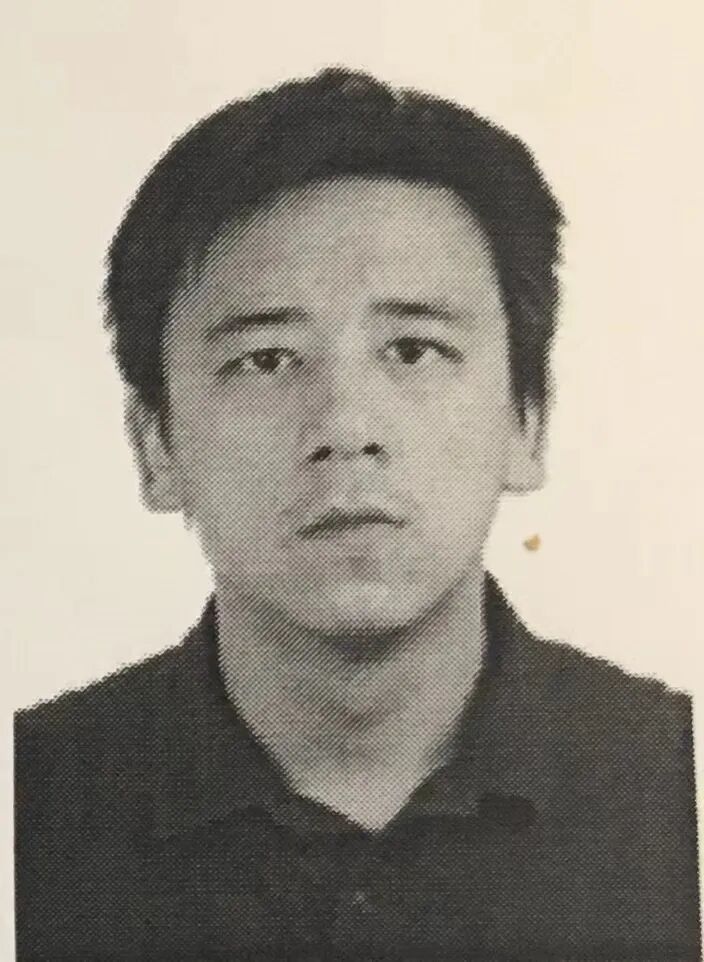
ZHENG Yuan is a director and visual artist whose practice encompasses moving images, sound, text, and installation. His work continually engages with questions of commemoration and forgetting, the politics of images, media memory, and the traces embedded within them. Through omission, discontinuity, and simultaneity, he explores alternative possibilities of expression.
His works have been exhibited at institutions and events including the 13th Seoul Mediacity Biennale, Power Station of Art (PSA), Tai Kwun Contemporary, Diriyah Contemporary Art Biennale, UCCA Center for Contemporary Art, Inside-Out Art Museum, and the Taiwan International Video Art Exhibition. His moving-image works have been screened at the International Film Festival Rotterdam (IFFR), Visions du Réel, ARKIPEL International Documentary and Experimental Film Festival, Ann Arbor Film Festival, and International Short Film Festival Oberhausen. He received his Master of Fine Arts degree from the School of the Art Institute of Chicago in 2015.
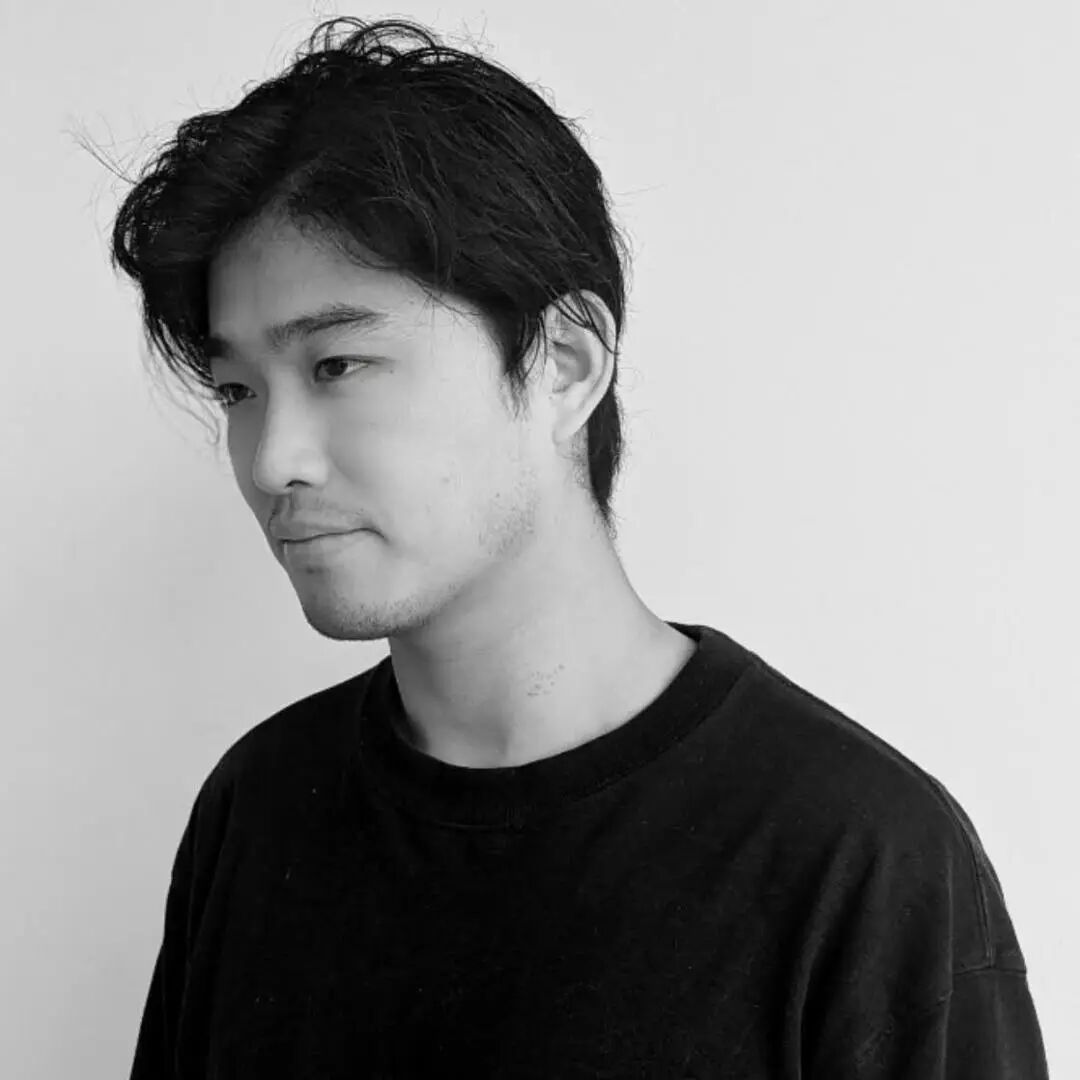
WANG Yang is an artist, researcher, and programmer who has been based in New York since 2012. His practice spans continental philosophy, experimental engineering, design, and media art. Treating computation both as a medium and as an object of critique, he employs systems of simulation and inscription to investigate how computational modernity reshapes perception, memory, habitation, and subjectivity.
In 2014, he co-founded zzyw with Zhenzhen Qi, through which they have developed a collaborative artistic practice. His works have been exhibited at institutions and platforms including Ars Electronica, Power Station of Art (PSA), House of Electronic Arts (HEK), the Onassis Foundation, Guangdong Times Museum, and Rhizome.
He has participated in the Counterstructural Commons residency organized by Rhizome and the Mozilla Foundation, the Pioneer Works residency, and NEW INC. He was shortlisted for the Lumen Prize and the 5th VH AWARD, which included an online residency with Eyebeam, and has served as a nominator for the 6th and 7th editions of the VH AWARD. He has taught at The Cooper Union, China Academy of Art, and Guangzhou Academy of Fine Arts.
In academia, he served as an external reviewer for the Art Papers track of SIGGRAPH Asia 2026 and has presented at the annual conference of the College Art Association (CAA) and the 2026 annual meeting of the Society for Social Studies of Science (4S). His critical writing has appeared in Rhizome, LEAP, Beijing Literature and Art Criticism, and Artforum.
To deepen his critical inquiry into technology, Wang has maintained a sustained engagement with the technology industry. His professional experience includes serving as a Senior Software Engineer at Snap, a Senior Creative Technologist at Rockwell Group LAB, and a developer at Ian Cheng's studio.
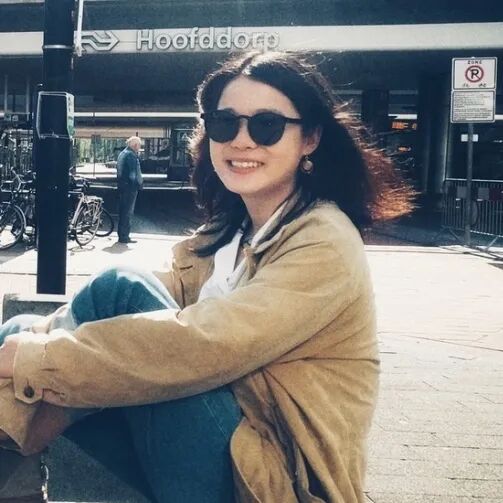
HUANG Yuting is a writer and curator, currently a researcher at BY ART MATTERS Museum in Hangzhou. She graduated from Peking University with degrees in Art History and Theory, and Philosophy and Religious Studies, and holds a Research Master's degree in Arts and Culture from Leiden University in the Netherlands.
She approaches writing, curating, and research as interconnected methodologies, seeking to establish more open forms of translation and exchange between exhibitions, texts, and public discussions. Her long-term interests lie in how artistic practices generate alternative meanings within specific social contexts, local experiences, and institutional structures.
Hosted by
Institute of Contemporary Art & Social Thoughts (ICAST), School of Intermedia Art, China Academy of Art
Asia Art Archive
Organizer&Moderator
LIU Tian
Anthony YUNG
Date/Venue
2026-10-26, 10-27(Mon., Tue.)
9:30—11:30, 13:30—16:30
Room 321, Building 18, School of Intermedia Art,
Xiangshan Campus, China Academy of Art
Introduction
The central question this workshop, "Curatorial Writing, or Writing Art History: The International Presentation of Contemporary Chinese Art," seeks to address is: In today's international context, how can we (self-)represent and present "Chinese contemporary art," or "contemporary art in China"?
Here, "Curatorial Writing" and "Writing Art History" emerge as two distinct approaches to "writing." The former is more radical and interventionist, aspiring to write history in a pioneering and generative way, and to actively drive its development. The latter is more measured and observational, assuming the position of the historian and seeking to preserve and document history faithfully and at close range.
In practice, however, both approaches face considerable difficulties in achieving their respective aims. They frequently intersect and interact in actual practice, while also confronting conceptual challenges from multiple directions, including:
- The problem of representational frameworks that take "nation" and "region" as boundaries, and use specific "years" or historical periods as points of departure and closure;
- The evaluation, judgment, selection, naming, and categorization of artists and artworks;
- The tensions and positions (whether critical or disengaged) in relation to phenomena of "popularity";
- The tension between the observation of art and the observation of social history, particularly the questions of interpretability and rupture;
- More broadly, the fundamental difficulty of how artists and artworks are selected, framed, and correlated through the two modes of Determinism and Reductionism.
Nevertheless, this remains an ongoing and unavoidable field of practice, one marked by genuine aspirations, anxieties, and difficulties. From the 1990s to the early years of the new millennium, this field of practice experienced a period of remarkable prominence, to the extent that the "Chinese group exhibition" almost became an established exhibition format. Yet, with changes in the global political and economic order, the onset of deglobalization, and the shifting geography of international art-world hotspots, it gradually fell into a period of relative stagnation.
Taking place over two days, the workshop will comprise lectures, presentations, and discussions. It will begin with the most recent major exhibition series devoted to Chinese contemporary art: "Stay Connected: Art and China Since 2008," presented by Tai Kwun Contemporary in 2025–2026, together with the bilingual publication of the same title produced in collaboration with Asia Art Archive (AAA). From this starting point, it will trace back to a number of major exhibitions led or experienced firsthand by the workshop's invited speakers, including, but not limited to: "From Revolution to Globalisation," one of the inaugural exhibitions at M+ Museum in 2021; "Art and China After 1989: Theater of the World," held at the Solomon R. Guggenheim Museum in New York in 2017; "Alors, la Chine?", held at the Centre Pompidou in Paris in 2003; and, further back, "China's New Art, Post-1989," one of the starting points for the international circulation of Chinese contemporary art in 1993.
Through the lenses of exhibitions, publications, archival materials, and keywords, the workshop seeks to construct a historical framework for discussion. It will examine how past artistic practices have been organized and narrated, the mechanisms through which these narratives have taken shape and the forces of omission and concealment that have accompanied them, the possibilities and impossibilities of "exhibiting China," and the conditions under which new narratives might emerge.
“Stay Connected: Navigating the Cloud” and “Stay Connected: Supplying the Globe” (Stay Connected: Art and China Since 2008), Tai Kwun Contemporary, 2025–2026. Exhibition views and bilingual publication, developed in collaboration with Asia Art Archive (AAA).
"M+ Sigg Collection: From Revolution to Globalisation," M+, 2021–2023. Exhibition views and bilingual publication: Chinese Art Since 1970: The M+ Sigg Collection.
What "China" means is often determined by how it is represented. By critically probing and seeking to break through this constellation of issues, we hope to ask: Within this genealogy of practices and questions, what experiences should be carried forward into the present? Is there a point of departure for thought or a method of action that might orient us towards the future? At this moment of uncertainty and difficulty, how might Chinese art make sense of and articulate itself? How might it present itself and establish connections within the international context?
Initiated by the Institute of Contemporary Art and Social Thought (ICAST) at the School of Intermedia Art, China Academy of Art, and co-organised with Asia Art Archive (AAA), this workshop is the latest edition of ICAST's "China as Sites and Methods" workshop series. It also continues the inquiry into this subject, building upon the 2023 symposium “Chinese Contemporary Art in the Process of (De)Globalisation.”
The "China as Sites and Methods" workshop series seeks to engage with practices grounded in the richness of China's lived realities, social conditions, and historical contexts. Through its pedagogical component, the series also aims to activate a new generation of students and faculty at art academies, encouraging them to approach "China" as the actual site in which artistic creation, curating, design, and other forms of practice take shape. It seeks to foster narrative and systems of understanding that emerge from their own situated perspectives, cultivate new modes of perception, and generate new methodologies.
10.26 9:30【Thematic Lectures】
《"Showing China From Its Best Side(s)": "China Shows" Since the 1990s and the Debates Around Them》
Presenter: Anthony YUNG
《From "Post 1989" to "Since 2008": Witnessing and Experiencing Exhibition Practices》
Presenter: PI Li
Respondent: Johnson CHANG, LU Jie, SHI Qing
10.26 13:30【Thematic Discussions】
《The (Im)Possibility of Exhibiting China》
Moderator: LIU Tian
Introducer: WU Ziyang, WANG Yang, QIN Chuan
"Art and China after 1989: Theater of the World," Solomon R. Guggenheim Museum, 2017–2018. Exhibition views and publication. The exhibition documentation section was developed in collaboration with Asia Art Archive (AAA).
"Alors, la Chine?" , Centre Pompidou, 2003. Exhibition views and publication.
"China's New Art, Post-1989," Hong Kong City Hall and Pao Galleries, Hong Kong Arts Centre; subsequently toured to the Museum of Contemporary Art, Sydney, Australia; Vancouver Art Gallery, Canada; University Art Museum, Indiana University–Purdue University Fort Wayne; Fort Wayne Museum of Art; Salina Art Center; Chicago Cultural Center; and San Jose Museum of Art, United States, 1993–1997. Exhibition views and publication: China's New Art, Post-1989.
10.27 9:30【Thematic Presentations】
《Art and China After 2008: Perspectives From Keywords, Exhibitions, Publications and Archives》
Presenter: Anthony YUNG, PI Li, HUANG Wenlong, XIE Congyang
10.27 13:30【Collective Discussion】
Moderator: LIU Tian, Anthony YUNG
Introducer: CAO Shu, ZHENG Yuan, HUANG Yuting
Discussant: Guest Speakers Present + All ICAST Faculty and Students
Speaker Biographies
PI Li is a curator, scholar of Chinese art history, and art educator. He is currently the Director of Róng Museum of Art, Guest Professor and PhD Supervisor at the China Academy of Art. He previously served as Head of Art at Tai Kwun Contemporary, Hong Kong (2023–2026); Sigg Senior Curator and Head of Curatorial Affairs at M+ (2012–2023); and Deputy Executive Director of the Department of Art Administration at the Central Academy of Fine Arts (CAFA) (2001–2012).
His curatorial projects include Stay Connected: Art and China Since 2008 and Right Is Wrong: M+ Sigg Collection: Four Decades of Chinese Contemporary Art, among others.
His publications include From Action to Concept, Farewell to Moralism, M+ Sigg Collection: Four Decades of Chinese Art, Madame Song: A Life in Art and Fashion, and Stay Connected: Art and China Since 2008. His translations include Why Museums Matter.
Anthony YUNG is Head of Research and Archives at Asia Art Archive (AAA), where he specialises in research and archival work on contemporary art in Asia.
His recent curatorial projects include Learning What Can't Be Taught (2020, Asia Art Archive, Hong Kong); Don't Kill Me, I'm Still in Love! A Tribute to Huang Xiaopeng (2021, Guangdong Times Museum, Guangzhou); Another Day in Hong Kong (2024, Asia Art Archive, Hong Kong); Sushi Grass in Paradise & Greener Rice on the Other Side (2024, WMA Space, Hong Kong); and The Door Is Open, The Window Is Locked (2024, Imagokinetics, Hangzhou), among others.
XIE Congyang is a Researcher at Asia Art Archive (AAA). Since joining AAA in 2015, she has been involved in multiple archival projects related to contemporary Chinese art. She has led projects including Documentation and Research on Contemporary Art in Northwest China, the Tao Yongbai Archive, the Wang Gongyi Archive, and the From the Country of the Center Exhibition Archive.
HUANG Wenlong is an Associate Researcher at Asia Art Archive (AAA). Previously, Huang worked as a curator at Macalline Center of Art (MACA), and served as Deputy Head of the Research and Curatorial Department at Inside-Out Art Museum, Beijing.
Invited Discussant Biography
Chang Tsong-zung is a curator, Guest Professor at the School of Intermedia Art, China Academy of Art, and Director of Hanart TZ Gallery, Hong Kong.
In recent years, his central concern has been how Chinese contemporary art can contribute to the world. Since the 1980s, his curatorial practice has played an important role in advancing the international development of Chinese art. His major curatorial projects include the co-curation of Farewell to Post-Colonialism, the Third Guangzhou Triennial (2008); the Ninth Shanghai Biennale (2012); and Post Pop: East Meets West at Saatchi Gallery, London (2014–2015).
His recent initiatives include Jia Li Hall, a comprehensive research and practice project on Chinese ritual culture; West Heavens, a platform for artistic and intellectual exchange between India and China; Yaji Garden, a contemporary exploration of Chinese traditions of display and connoisseurship, developed out of the Yellow Box research project; and the Inter-Asia Biennale Forums, an intellectual initiative launched through the Inter-Asia School and presented at the Gwangju Biennale, Shanghai Biennale, Taipei Biennial, and Kochi-Muziris Biennale.
Chang is a co-founder of ICAST and has long been involved in its curatorial projects, forums, and teaching activities. He has made significant contributions to the development of the conceptual framework of the "3 Parallel Artworlds" and has played an important role in the establishment of the Inter-Asia School, as well as in supporting and advancing the various curatorial and forum projects initiated by the School. Through his engagement with ICAST, he has helped broaden its intellectual horizons across historical periods and between Chinese and Western contexts.
SHI Qing is an artist currently based in Shanghai. He advocates for an approach to artistic practice grounded in historical perspectives and fieldwork, while developing a form of subject-centered writing that is unconstrained by medium or form. His recent interests include pathways of modernity, ecological media, and the history of socialist technology.
ZHENG Yuan is a director and visual artist whose practice encompasses moving images, sound, text, and installation. His work continually engages with questions of commemoration and forgetting, the politics of images, media memory, and the traces embedded within them. Through omission, discontinuity, and simultaneity, he explores alternative possibilities of expression.
His works have been exhibited at institutions and events including the 13th Seoul Mediacity Biennale, Power Station of Art (PSA), Tai Kwun Contemporary, Diriyah Contemporary Art Biennale, UCCA Center for Contemporary Art, Inside-Out Art Museum, and the Taiwan International Video Art Exhibition. His moving-image works have been screened at the International Film Festival Rotterdam (IFFR), Visions du Réel, ARKIPEL International Documentary and Experimental Film Festival, Ann Arbor Film Festival, and International Short Film Festival Oberhausen. He received his Master of Fine Arts degree from the School of the Art Institute of Chicago in 2015.
WANG Yang is an artist, researcher, and programmer who has been based in New York since 2012. His practice spans continental philosophy, experimental engineering, design, and media art. Treating computation both as a medium and as an object of critique, he employs systems of simulation and inscription to investigate how computational modernity reshapes perception, memory, habitation, and subjectivity.
In 2014, he co-founded zzyw with Zhenzhen Qi, through which they have developed a collaborative artistic practice. His works have been exhibited at institutions and platforms including Ars Electronica, Power Station of Art (PSA), House of Electronic Arts (HEK), the Onassis Foundation, Guangdong Times Museum, and Rhizome.
He has participated in the Counterstructural Commons residency organized by Rhizome and the Mozilla Foundation, the Pioneer Works residency, and NEW INC. He was shortlisted for the Lumen Prize and the 5th VH AWARD, which included an online residency with Eyebeam, and has served as a nominator for the 6th and 7th editions of the VH AWARD. He has taught at The Cooper Union, China Academy of Art, and Guangzhou Academy of Fine Arts.
In academia, he served as an external reviewer for the Art Papers track of SIGGRAPH Asia 2026 and has presented at the annual conference of the College Art Association (CAA) and the 2026 annual meeting of the Society for Social Studies of Science (4S). His critical writing has appeared in Rhizome, LEAP, Beijing Literature and Art Criticism, and Artforum.
To deepen his critical inquiry into technology, Wang has maintained a sustained engagement with the technology industry. His professional experience includes serving as a Senior Software Engineer at Snap, a Senior Creative Technologist at Rockwell Group LAB, and a developer at Ian Cheng's studio.
HUANG Yuting is a writer and curator, currently a researcher at BY ART MATTERS Museum in Hangzhou. She graduated from Peking University with degrees in Art History and Theory, and Philosophy and Religious Studies, and holds a Research Master's degree in Arts and Culture from Leiden University in the Netherlands.
She approaches writing, curating, and research as interconnected methodologies, seeking to establish more open forms of translation and exchange between exhibitions, texts, and public discussions. Her long-term interests lie in how artistic practices generate alternative meanings within specific social contexts, local experiences, and institutional structures.