

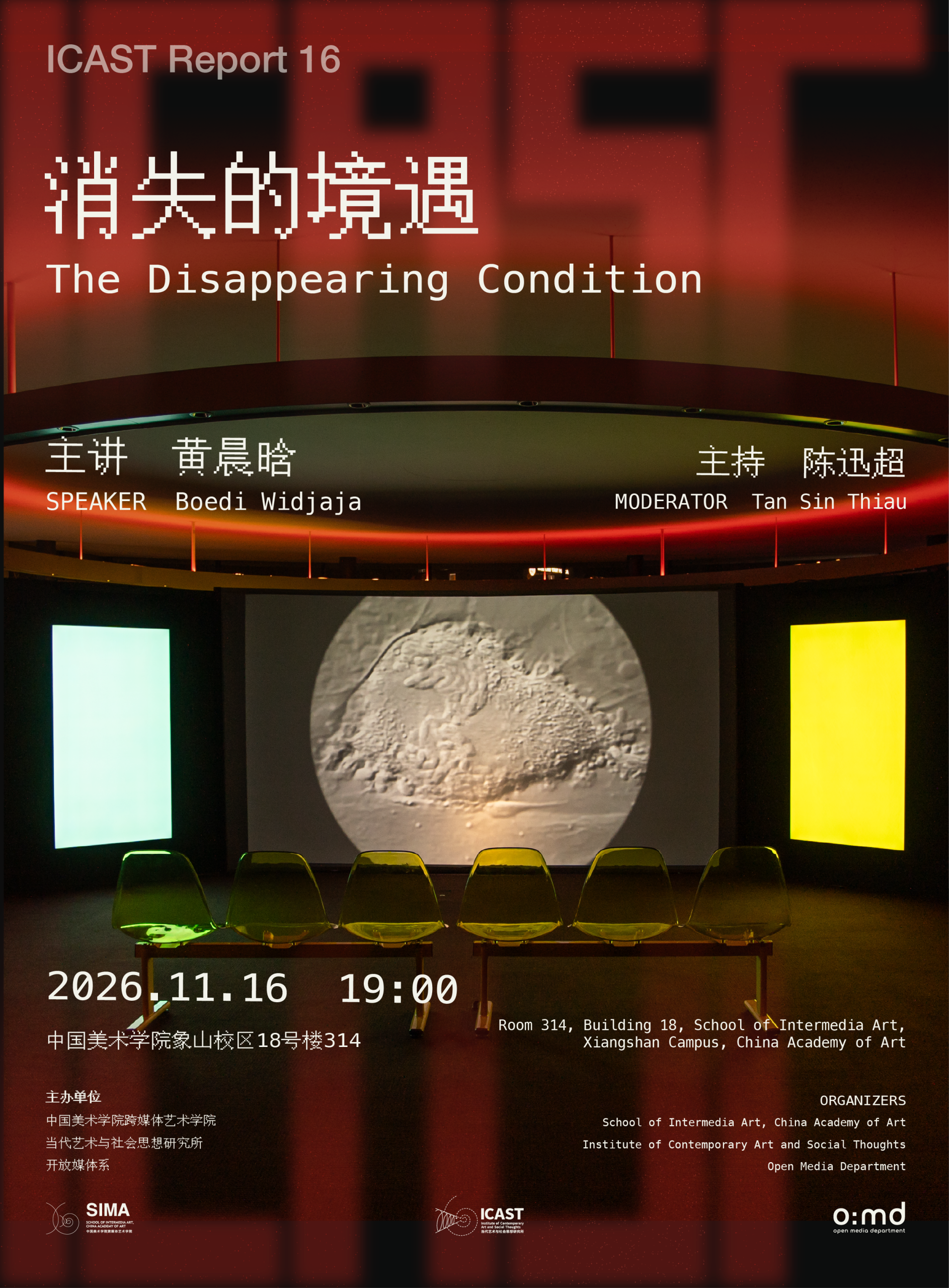
2026.11.16
Hosted by
School of Intermedia Art, China Academy of Art,
Institute of Contemporary Art & Social Thoughts,
Open Media Department
Speaker
Boedi Widjaja
Moderator
Tan Sin Thiau
Date & Venue
2026.11.16, 19:00
314, Building 18, School of Intermedia Art, Xiangshan Campus, China Academy of Art
Introduction
How does history endure when language is lost?
Born in 1975 into a Chinese-Indonesian family in Surakarta (Solo), Central Java, Boedi Widjaja grew up amid profound political and social transformations in Indonesia. From the 1955 Sino-Indonesian Dual Nationality Treaty and the 1959 restrictions on Chinese-Indonesian economic activities to the suppression of Chinese cultural life under the New Order after 1965, these changes profoundly reshaped the lives, languages, and identities of Chinese-Indonesian communities.
At the age of nine, Boedi was sent to Singapore, separated from his parents, to escape the prevailing climate of ethnic tension. During his first four years in Singapore, he moved house five times; over the course of his life, he has relocated nearly twenty times. Moving between different cultural and linguistic environments, he gradually acquired English and Mandarin, developing a cultural perspective shaped by his experiences in Indonesia, Singapore, and China. He later studied architecture in Sydney, worked in graphic design, and eventually became an artist.
History in Boedi's practice is never merely something to be recalled or narrated. It lingers in the material traces of places, survives in family memories, and is transmitted through language and the body. His three ongoing series—Black—Hut (2016–present), Muons as Medium (2020–present), and DNA as Medium (2019–present)—explore these questions through architecture, cosmic-ray muons, and biotechnology, investigating how cultural memory might be embodied and transmitted beyond conventional forms of writing and archiving.
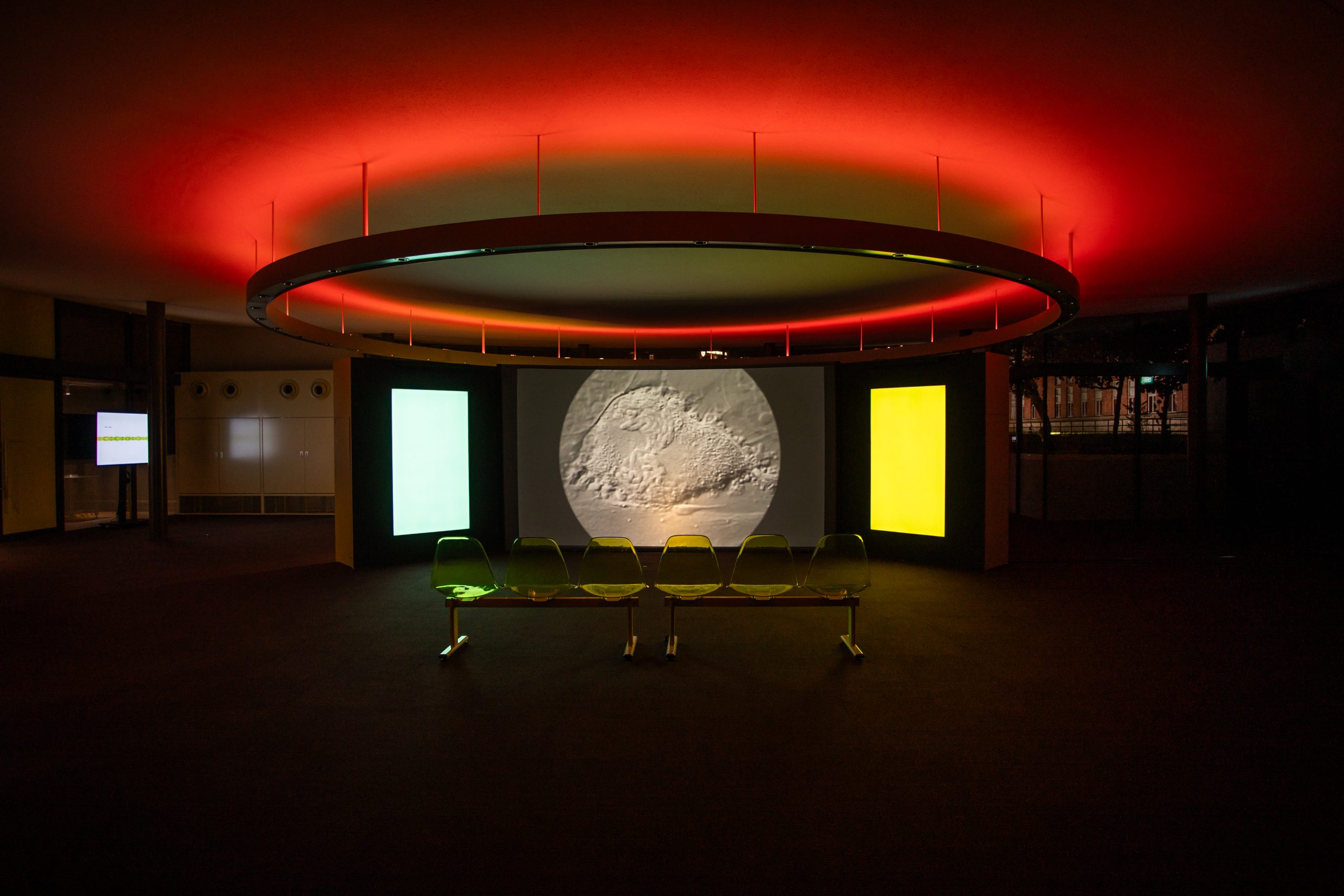
Boedi Widjaja, 东邪西毒 I Want to Infect You With History, 2026, Bioart installation, NTU Museum, Singapore. Image courtesy of the artist.
His recent work, 东邪西毒 I Want to Infect You With History (2025–2026), brings these inquiries together through the history of Chinese-Indonesians and his own family experience. Combining epigenetic research, synthetic DNA, and multichannel video, the work examines how obscured histories persist in the body, oral narratives, lost languages, and intergenerational relations. Drawing on visits to his ancestral hometown in Fujian, his childhood home in Surakarta, and sites associated with Chinese-Indonesian heritage, Boedi transforms poetry through multiple languages and encoding systems before inscribing it into synthetic DNA and releasing it into the air through an atomization device.
This lecture will explore how architecture, materiality, the body, and biotechnology become mediums for reconsidering history, bringing personal narratives into dialogue with broader historical geographies shaped by migration, nation-state formation, and Cold War politics. When language is lost, can history still be felt? When memory cannot be fully preserved, how do experiences never written down continue to endure?
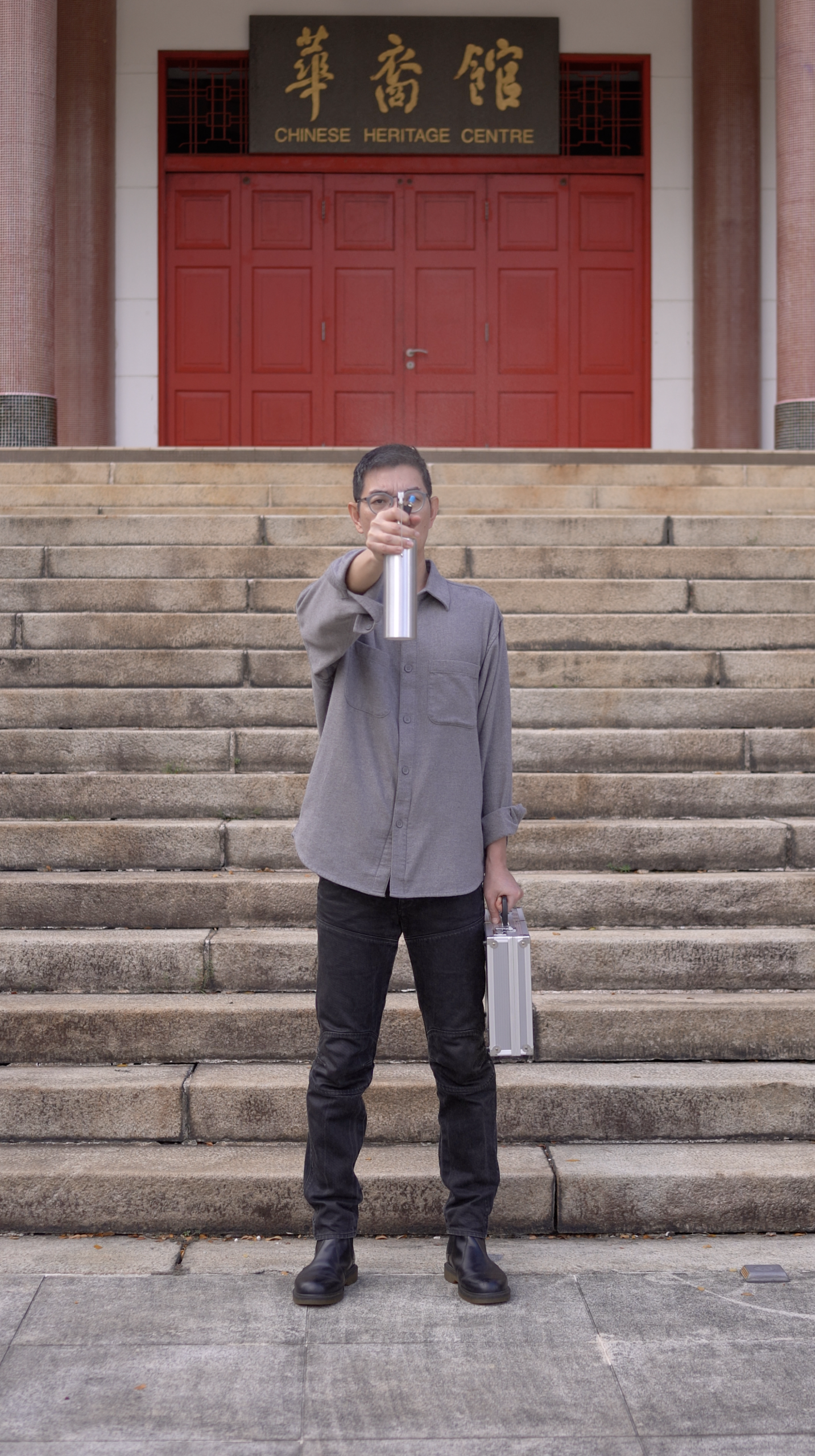
Boedi Widjaja, 东邪西毒 I Want to Infect You With History, 2026, three-channel video essay. Image courtesy of the artist.
Speaker
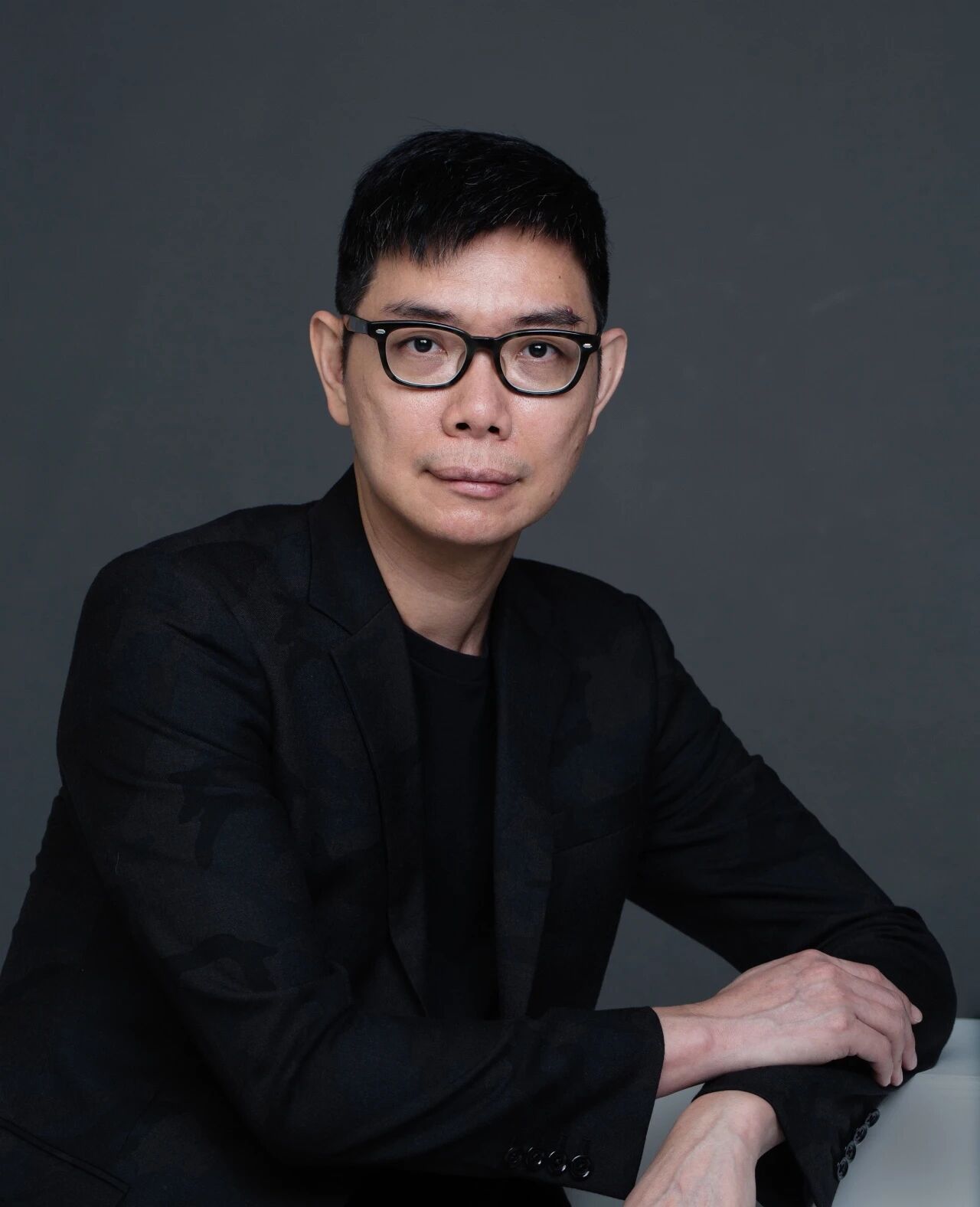
Boedi Widjaja (b. 1975, Indonesia; based in Singapore) is an interdisciplinary artist who explores migration as a mode of making. Trained in architecture and design, he moves between bio art, architectural installation, performance, and experimental photography. His practice constellates DNA, cosmic-ray muons, salt-infused concrete, marks, and ciphers as media of inscription through which history remains. He unsettles belonging, from house to home to homeland.
Boedi received the inaugural QAGOMA–Singapore Art Museum co-commission for his Black–Hut series, presented at the Asia Pacific Triennial (2018–19) and Singapore Biennale (2019–20). His work has been exhibited at institutions including He Art Museum, Yuz Museum, National Gallery Singapore, FACT Liverpool, and Framer Framed, and presented in solo exhibitions at ShanghART Gallery, Art SG PLATFORM, Helwaser Gallery, and the Institute of Contemporary Arts Singapore (LASALLE). He has also participated in the Venice Biennale (2017), Yinchuan Biennale (2016), Thailand Biennale (2023–24), and Indonesia Bertutur (2024), among others.
He was an artist-in-residence at the Institute for Digital Molecular Analytics and Science (2024) and NTU CCA Singapore (2021). He is represented by ShanghART Gallery.
Moderator
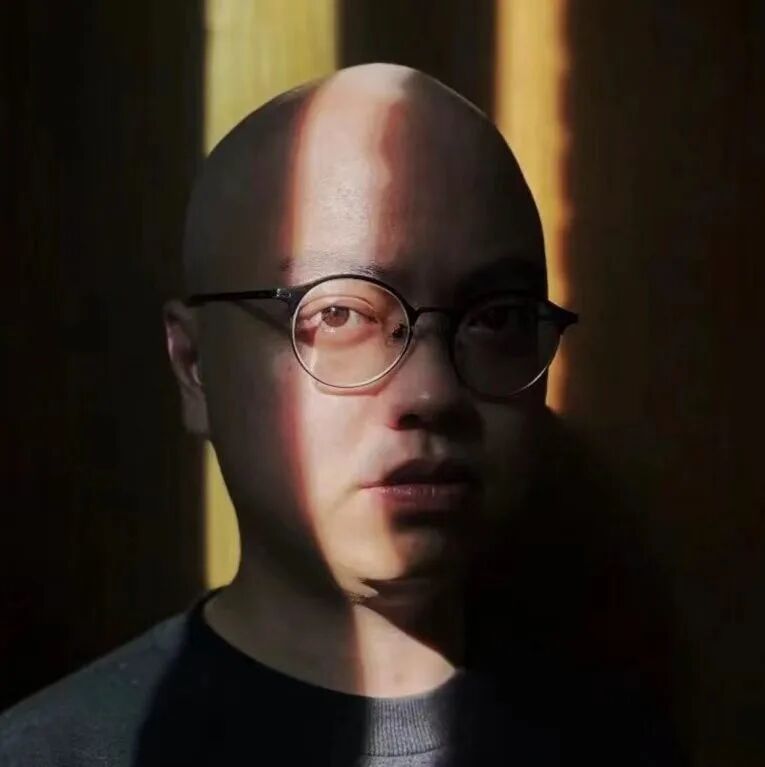
Tan Sin Thiau is a curator, writer and translator. Born in Zhangzhou, Fujian, he is currently based at the Huamao Museum of Art Education in Ningbo. He is the initiator of the Overseas Chinese Farms Project and the editorial coordinator of Puncture: Pan- Hangzhou Writing Project. His research interests focus on the history of Sino-foreign exchanges, Chinese diaspora studies, Southeast Asian history, and geopolitics.
Hosted by
School of Intermedia Art, China Academy of Art,
Institute of Contemporary Art & Social Thoughts,
Open Media Department
Speaker
Boedi Widjaja
Moderator
Tan Sin Thiau
Date & Venue
2026.11.16, 19:00
314, Building 18, School of Intermedia Art, Xiangshan Campus, China Academy of Art
Introduction
How does history endure when language is lost?
Born in 1975 into a Chinese-Indonesian family in Surakarta (Solo), Central Java, Boedi Widjaja grew up amid profound political and social transformations in Indonesia. From the 1955 Sino-Indonesian Dual Nationality Treaty and the 1959 restrictions on Chinese-Indonesian economic activities to the suppression of Chinese cultural life under the New Order after 1965, these changes profoundly reshaped the lives, languages, and identities of Chinese-Indonesian communities.
At the age of nine, Boedi was sent to Singapore, separated from his parents, to escape the prevailing climate of ethnic tension. During his first four years in Singapore, he moved house five times; over the course of his life, he has relocated nearly twenty times. Moving between different cultural and linguistic environments, he gradually acquired English and Mandarin, developing a cultural perspective shaped by his experiences in Indonesia, Singapore, and China. He later studied architecture in Sydney, worked in graphic design, and eventually became an artist.
History in Boedi's practice is never merely something to be recalled or narrated. It lingers in the material traces of places, survives in family memories, and is transmitted through language and the body. His three ongoing series—Black—Hut (2016–present), Muons as Medium (2020–present), and DNA as Medium (2019–present)—explore these questions through architecture, cosmic-ray muons, and biotechnology, investigating how cultural memory might be embodied and transmitted beyond conventional forms of writing and archiving.
Boedi Widjaja, 东邪西毒 I Want to Infect You With History, 2026, Bioart installation, NTU Museum, Singapore. Image courtesy of the artist.
His recent work, 东邪西毒 I Want to Infect You With History (2025–2026), brings these inquiries together through the history of Chinese-Indonesians and his own family experience. Combining epigenetic research, synthetic DNA, and multichannel video, the work examines how obscured histories persist in the body, oral narratives, lost languages, and intergenerational relations. Drawing on visits to his ancestral hometown in Fujian, his childhood home in Surakarta, and sites associated with Chinese-Indonesian heritage, Boedi transforms poetry through multiple languages and encoding systems before inscribing it into synthetic DNA and releasing it into the air through an atomization device.
This lecture will explore how architecture, materiality, the body, and biotechnology become mediums for reconsidering history, bringing personal narratives into dialogue with broader historical geographies shaped by migration, nation-state formation, and Cold War politics. When language is lost, can history still be felt? When memory cannot be fully preserved, how do experiences never written down continue to endure?
Boedi Widjaja, 东邪西毒 I Want to Infect You With History, 2026, three-channel video essay. Image courtesy of the artist.
Speaker
Boedi Widjaja (b. 1975, Indonesia; based in Singapore) is an interdisciplinary artist who explores migration as a mode of making. Trained in architecture and design, he moves between bio art, architectural installation, performance, and experimental photography. His practice constellates DNA, cosmic-ray muons, salt-infused concrete, marks, and ciphers as media of inscription through which history remains. He unsettles belonging, from house to home to homeland.
Boedi received the inaugural QAGOMA–Singapore Art Museum co-commission for his Black–Hut series, presented at the Asia Pacific Triennial (2018–19) and Singapore Biennale (2019–20). His work has been exhibited at institutions including He Art Museum, Yuz Museum, National Gallery Singapore, FACT Liverpool, and Framer Framed, and presented in solo exhibitions at ShanghART Gallery, Art SG PLATFORM, Helwaser Gallery, and the Institute of Contemporary Arts Singapore (LASALLE). He has also participated in the Venice Biennale (2017), Yinchuan Biennale (2016), Thailand Biennale (2023–24), and Indonesia Bertutur (2024), among others.
He was an artist-in-residence at the Institute for Digital Molecular Analytics and Science (2024) and NTU CCA Singapore (2021). He is represented by ShanghART Gallery.
Moderator
Tan Sin Thiau is a curator, writer and translator. Born in Zhangzhou, Fujian, he is currently based at the Huamao Museum of Art Education in Ningbo. He is the initiator of the Overseas Chinese Farms Project and the editorial coordinator of Puncture: Pan- Hangzhou Writing Project. His research interests focus on the history of Sino-foreign exchanges, Chinese diaspora studies, Southeast Asian history, and geopolitics.